With temperatures dropping, many UK motorists are turning to social media for quick fixes to get their cars winter-ready.
But some of the most popular “winter car hacks” could cause serious damage and in some cases, they could cost you hundreds, or even thousands, in repair bills.
To help keep your vehicle safe, Nationwide Vehicle Contracts debunk five of the most common winter car myths currently trending on TikTok, revealing what people should do instead and how much these mistakes could cost to repair.
You might have seen videos recommending boiling water as the fastest way to de-ice your windscreen. TikTok searches for “boiling water on ice windows” have jumped to 1.5 million TikTok searches recently, with many drivers copying the trend.
The truth: While it looks like a quick fix, hot water on frozen glass can cause instant cracking due to sudden temperature change. A windscreen replacement can cost around £150 to £400, especially if sensors or ADAS calibration are required.
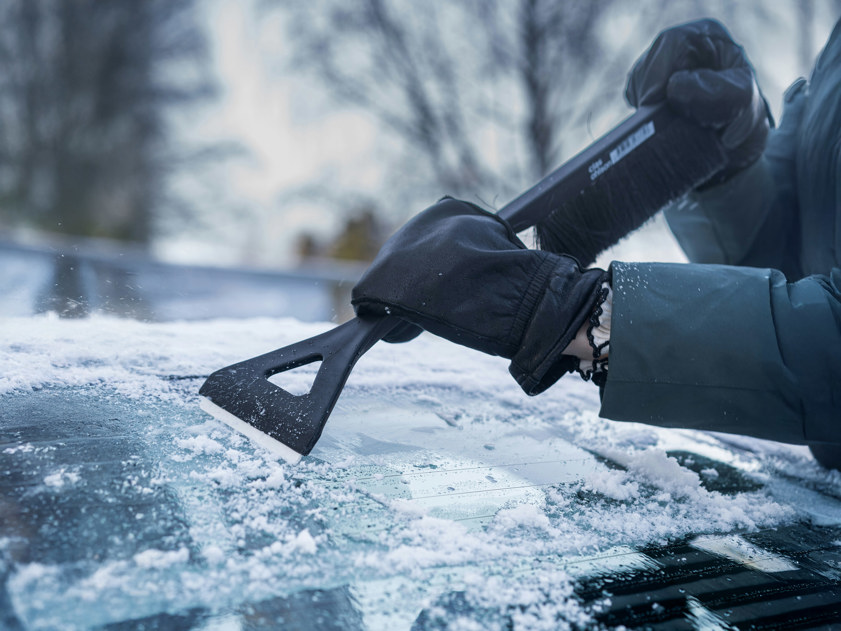
What to do instead: Use a proper ice scraper or a car-safe de-icer spray. If your car has a heated windscreen, use it. Many newer vehicles include winter-ready features that safely clear ice in seconds.
Many drivers still leave their engine idling for 10 minutes in the morning to warm the cabin and melt frost.
The truth: Modern engines warm up faster when you start driving gently. Long periods of idling can drain the battery in cold weather. Battery replacements often cost £100 to £250, plus possible call-out charges if you need breakdown support.
You could also face a fine for unnecessary idling. Rule 123 of the Highway Code says you must not leave a vehicle running unnecessarily.
What to do instead: Give the car a minute to demist, then drive off slowly. Use de-icer spray or heated screens to clear the glass safely for quicker results.
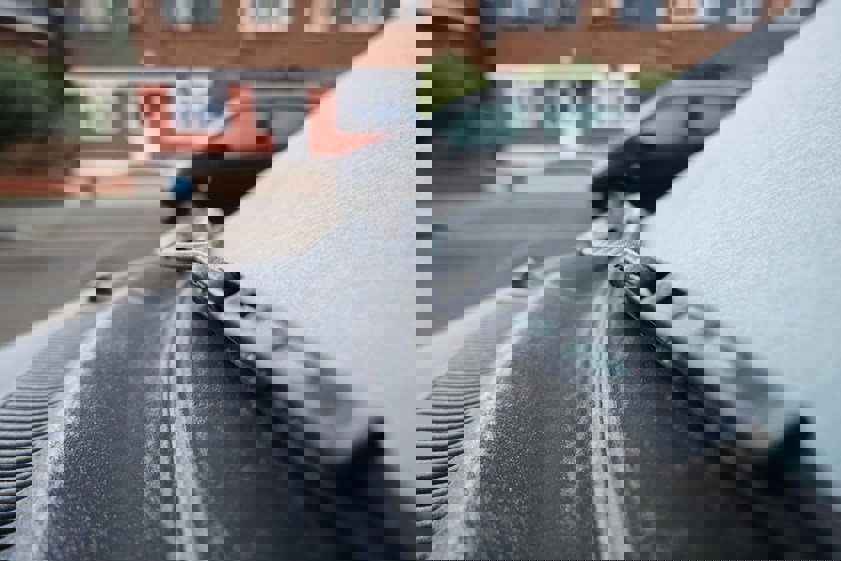
This tip gets shared a lot. The idea is simple. Lift your wipers up so they do not stick to the windscreen overnight.
The truth: Although it may stop blades sticking, lifting wipers can expose the arms and joints to frost, which increases the risk of bending or snapping them. Replacing a wiper arm can cost £50 to £100. If the wiper motor gets damaged, repairs can cost £110 to £300.
What to do instead: Use a windscreen cover overnight. Always defrost your windscreen fully before turning on your wipers.
TikTok is full of homemade de-icer recipes using vinegar, rubbing alcohol, washing-up liquid, or WD-40.
The truth: Household products are not designed for car materials and can damage rubber seals, affect paintwork, and dry out wiper blades. Seal replacements typically cost £80 to £150. Paint repairs can be much higher depending on the damage.
What to do instead: Use a proper car de-icer spray. These are designed to melt ice quickly without harming paint, rubber, sensors, or trim.
Some drivers assume all-season tyres offer enough grip in every condition, including ice and snow.
The truth: All-season tyres can lose grip in colder temperatures, especially below 7°C. That can increase stopping distances and raise the risk of a collision. Many drivers face insurance excess payments of £200–£300, with repair costs varying by severity.
What to do instead: If you live in a rural area, or drive in hilly and higher-altitude locations, consider winter tyres during the coldest months. They are built for colder road conditions and can improve control in snow and ice.
“Every winter we see drivers damaging their cars by following quick fixes they’ve seen online. Many of these hacks seem harmless but can cause costly repairs and put your safety at risk. Sticking to proven advice is always the safer option.”

If you want more practical advice on looking after your vehicle, explore our vehicle maintenance guides.
Originally posted: 26th January 2026