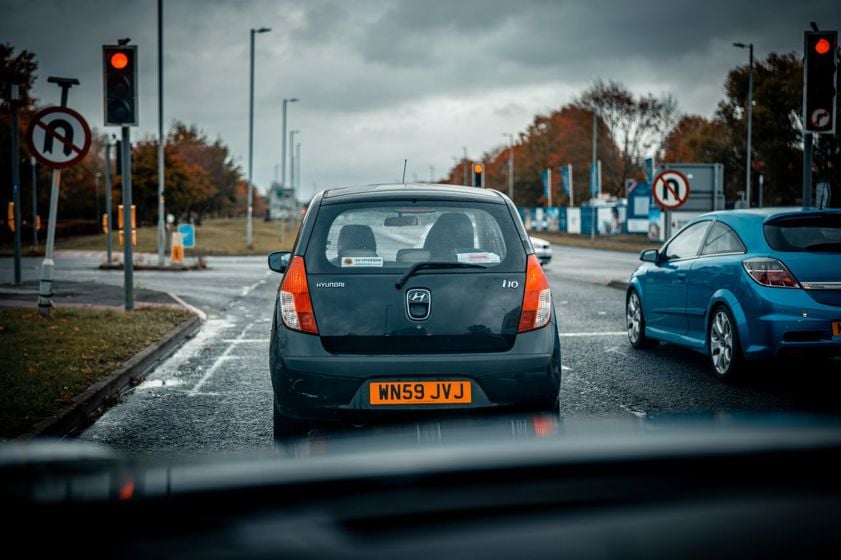
Thousands of motorists taking delivery of new '76 plate' vehicles this September are being warned about a little-known crime that could leave them facing fines, penalty notices and even police enquiries for offences they never committed.
Number plate cloning occurs when criminals copy a legitimate registration number and use it on another vehicle, allowing them to evade speeding tickets, parking charges and congestion fees. Many victims don't realise they've been targeted until a fine lands on their doorstep for a location they've never visited.
Keith Hawes, Director at Nationwide Vehicle Contracts, is urging motorists to stay vigilant and act quickly if anything looks suspicious.
- Receive a speeding, parking or congestion charge notice from somewhere they've never visited
- Start receiving multiple penalty notices in a short period of time
- Are contacted by police about a vehicle that doesn't match their own
- Discover their registration has been linked to offences they know they didn't commit
- Are told their vehicle has been spotted in a different part of the country
Worried about vehicle scams? Number plate cloning isn't the only scam motorists need to watch out for. Visit our Ask NVC guides for practical advice on staying safe, understanding your responsibilities and avoiding common motoring problems.
If you suspect your plate has been cloned, it's important to act quickly:
- Check the details of the offence and compare them against your vehicle
- Gather evidence such as photographs, receipts, parking records or location data
- Contact the organisation that issued the fine or penalty
- Report the matter to the police and obtain a crime reference number
- Inform the DVLA if advised to do so
- Monitor for further notices and keep detailed records of all communications
- Posting photos online that clearly show your registration plate
- Advertising a vehicle for sale without obscuring the plate
- Ignoring unexpected penalty notices
- Delaying reports of lost or stolen plates
- Failing to use anti-tamper fittings when replacing registration plates
“For many drivers, the first sign that their number plate has been cloned is a fine for a journey they've never made. The key thing is not to ignore it. The sooner motorists challenge the notice, gather evidence, and report their concerns, the easier it is to prevent further problems. ”

Number plate cloning can happen to any driver, whether you've just picked up a new 76-plate car or have owned your vehicle for years.
While there's no guaranteed way to prevent criminals from copying your registration, being careful about where you share photographs of your car, using secure number plate fittings and acting quickly when something looks suspicious can help reduce the risk.
If you receive an unexpected penalty notice, don't ignore it. Check the details, gather evidence and report any suspected cloning as soon as possible.
Looking for more driving advice? From avoiding unexpected fines to understanding UK driving rules, our motoring blog is packed with useful advice to help you stay informed and confident on the road.
Originally posted: 9th October 2026