


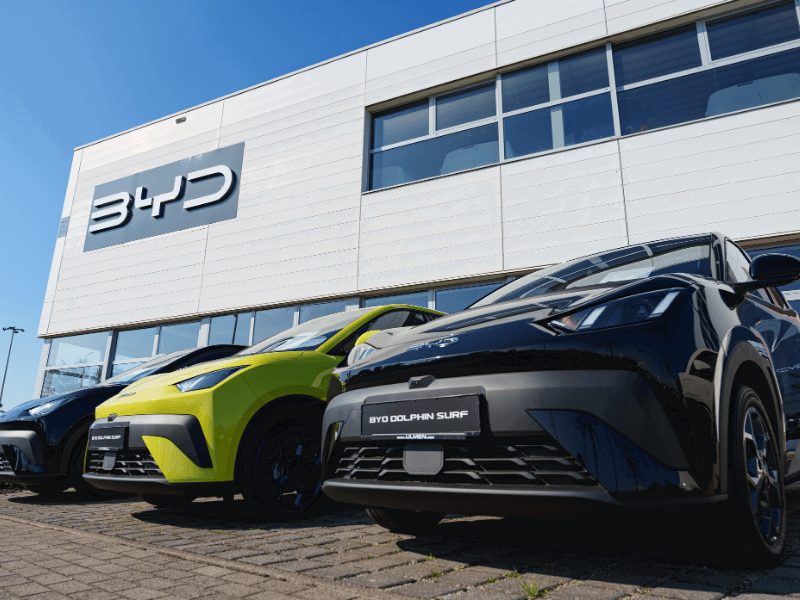
For decades, the premium car market has been dominated by household names such as BMW, Audi, Mercedes-Benz and Lexus. But a new wave of manufacturers is beginning to challenge the status quo.
Chinese car brands are becoming an increasingly familiar sight on UK roads, with our latest leasing data suggesting their popularity is growing rapidly. As more manufacturers enter the market and expand their model ranges, drivers are becoming more willing to consider brands they may not have heard of just a few years ago.
So, what's behind the rise of Chinese vehicles, and could they be changing perceptions of what makes a car feel premium?
According to our data, Chinese manufacturers accounted for just 0.51% of all leasing orders and 0.98% of enquiries in 2024.
By 2026, that picture looks very different. Chinese brands now represent 11% of all leasing orders and 13% of enquiries, highlighting how quickly demand has increased.
The growth has coincided with an influx of new manufacturers entering the UK market. Nationwide Vehicle Contracts currently offers vehicles from 12 Chinese brands, including BYD, Omoda, Jaecoo, XPeng, Chery and Leapmotor.
Several manufacturers have recorded particularly strong growth this year compared with 2025:
- Chery enquiries are up 245%, while orders have increased by 309%
- BYD enquiries have risen by 42%, with orders up 95%
- Omoda enquiries have increased by 37%, while orders have grown by 53%
- Leapmotor enquiries are up 18%, with orders increasing by 19%
As more brands establish themselves in the UK, consumers have more choice than ever when searching for their next vehicle.
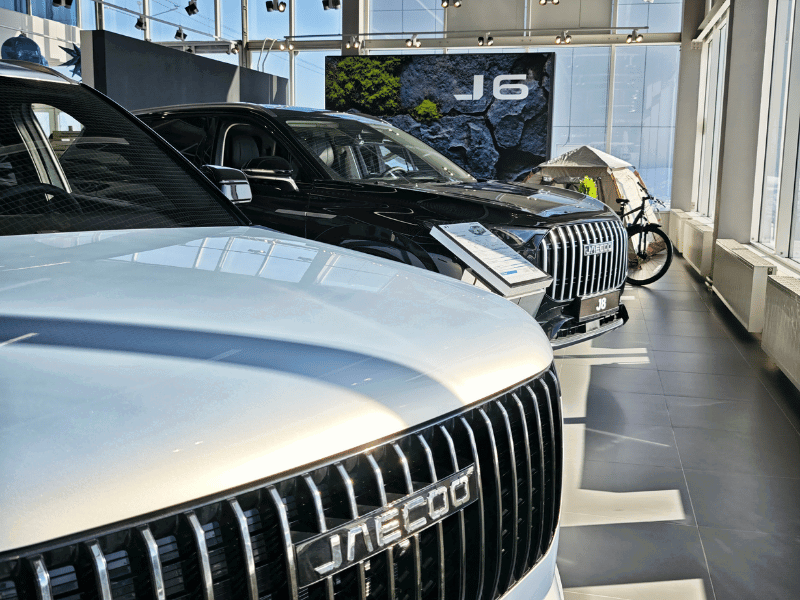
Traditionally, premium vehicles have been associated with strong brand heritage, luxury interiors and high levels of refinement.
However, buying priorities continue to evolve, particularly as the automotive industry transitions towards electrification.
Many newer Chinese manufacturers are entering the market with a strong focus on electric vehicles, advanced driver technology and generous equipment levels. Features that may be optional extras on some rivals often come as standard, helping drivers access more technology for their monthly budget.
For many motorists, a premium experience is no longer defined solely by the badge on the bonnet. Instead, factors such as technology, connectivity, driving range and overall value are playing a greater role in the decision-making process.
One of the most interesting developments is where many Chinese manufacturers are positioning their vehicles.
Rather than targeting only budget-conscious buyers, several models are competing directly with established premium and mainstream rivals.
Examples include:
- The BYD Seal is often considered alongside the Tesla Model 3 and BMW i4
- The XPeng G6 competes in the same space as the Tesla Model Y and Audi Q4 e-tron
- The BYD Sealion 7 rivals models such as the Audi Q4 e-tron and BMW iX1
- The Jaecoo 7 targets popular SUVs including the Range Rover Evoque
- The Chery Tiggo 7 sits alongside established family SUVs such as the Nissan Qashqai, Hyundai Tucson and Ford Kuga
These comparisons highlight just how confident newer manufacturers have become in positioning their products against well-established names.
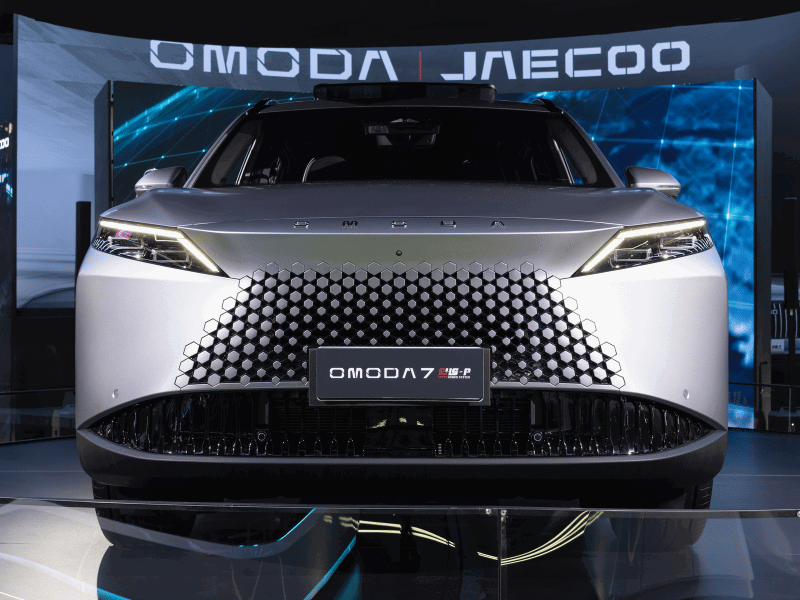
There's often an assumption that Chinese vehicles are growing in popularity because they're significantly cheaper than their competitors.
While competitive pricing can certainly play a role, the reality is more complex.
In some cases, Chinese models can cost as much to lease as established rivals. Some may even have higher monthly rentals than comparable mainstream SUVs.
Instead, their appeal often comes from the combination of technology, equipment, and electrified powertrains included within the package. Buyers may get more standard equipment for their money, which can make certain models particularly attractive on overall value.
Established manufacturers continue to enjoy strong demand and decades of brand recognition. However, the growth of Chinese brands demonstrates that today's motorists are prepared to look beyond traditional names when choosing their next vehicle.
As more Chinese manufacturers enter the UK market and introduce new models, competition is set to increase across both the premium and mainstream sectors.
For drivers, that is likely to mean greater choice, faster innovation and more vehicles packed with technology and features.
Whether you're considering a long-established premium brand or one of the latest newcomers, the definition of what makes a great car is evolving, and the UK's leasing market is reflecting that change.
Looking to compare the latest electric vehicles, SUVs, and seven-seater family cars? Browse our full range of car leasing deals to find a vehicle suited to your needs and budget.
Originally posted: 23rd September 2026