


With summer holidays fast approaching, many Brits will be planning road trips across Europe. Whether you're heading to Spain, France or Italy, driving abroad can offer greater flexibility and freedom than flying.
However, unfamiliar road regulations, required documentation, and local driving laws can quickly turn a relaxing getaway into a costly experience.
To help motorists stay safe and avoid unnecessary fines, Nationwide Vehicle Contracts has highlighted five essential rules UK drivers should be aware of before travelling overseas this summer.
Driving regulations vary from country to country, meaning drivers who are unfamiliar with local regulations could be caught out by unexpected penalties and fines.
Keith Hawes, Director at Nationwide Vehicle Contracts, is encouraging motorists to plan ahead before driving overseas.
“Many drivers assume the rules abroad are similar to those in the UK, but even small oversights can lead to costly fines. Taking the time to check local requirements before travelling can help avoid unnecessary stress and expense while you're away”

Many European countries require drivers to carry specific safety equipment in their vehicles at all times.
Depending on your destination, this could include:
- A warning triangle
- High visibility jackets
- A first aid kit
- A UK identifier displayed on your vehicle
Requirements vary between countries, with destinations such as Spain, Germany and Portugal enforcing their own regulations. Drivers who fail to carry the necessary items could face fines.
Before setting off, it's important to check the rules for every country on your route, including any countries you may pass through during your journey.
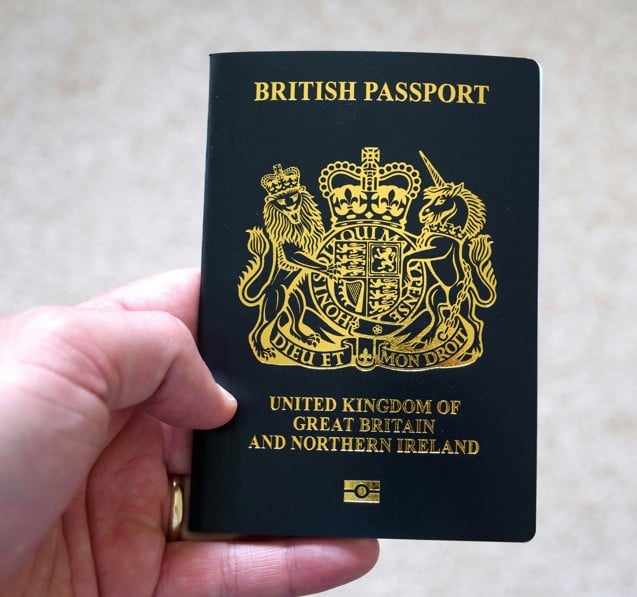
Having the correct documentation is just as important as carrying the required safety equipment when driving abroad.
Drivers should ensure they carry:
- A full UK driving licence
- A valid passport
- A V5C vehicle registration document
- Proof of motor insurance
- A VE103 certificate if driving a leased, hired or borrowed vehicle
Failing to carry the necessary paperwork could lead to delays at border crossings and, in some circumstances, may even result in the vehicle being impounded by local authorities.
Satellite navigation systems and GPS devices can be extremely useful when driving in unfamiliar areas, but drivers should be aware that some features may not be permitted in certain European countries.
Many modern navigation systems now comply with local regulations by displaying general "danger zones" rather than precise camera locations, but it's worth checking your settings before travelling.

Before driving in Europe, it's important to ensure your vehicle's headlights are correctly adjusted for driving on the right-hand side of the road.
Because UK vehicles are designed for left-hand driving, their headlights can shine directly into the path of oncoming traffic when used abroad, potentially causing glare and creating a safety risk.
To remain compliant, motorists should fit headlamp converters or adjust adaptive headlights where available.
Headlamp converters are affordable, simple to apply, and readily available from motoring retailers and online stores. When you return to the UK, don't forget to remove them or restore your headlights to their original settings.
Know the local speed limits
Speed limits vary significantly between European countries and are often different from those in the UK.
Motorway speed limits in popular destinations:
Cyprus: 100 km/h (62 mph)
Spain: 120 km/h (75 mph)
France: 130 km/h (80 mph)
Italy: 130 km/h (80 mph)
Greece: 130 km/h (80 mph)
Drivers should also be aware that penalties vary between countries.
In Greece, speeding fines can range from €40 to €700, while motorists caught speeding in France could face fines of up to €1,500.
Driving abroad can be one of the best ways to explore Europe, but preparation is essential.
Making sure you have the correct documentation, carrying the correct safety equipment, adjusting your vehicle, and familiarising yourself with local road laws can help avoid costly fines and unnecessary disruption during your trip.
As Keith Hawes explains:
“A little preparation before travelling can make a huge difference. Understanding local driving laws and ensuring you have everything you need before setting off can help motorists enjoy a safer and more enjoyable journey abroad”
By planning ahead, drivers can focus on enjoying the journey and making the most of their time overseas.
Originally posted: 11th June 2026