
With high pollen counts expected in parts of the UK, drivers are being urged to take extra care when travelling.
Hay fever symptoms such as sneezing, watery eyes and tiredness can be distracting behind the wheel and, if they affect your driving, could lead to costly penalties.
Nationwide Vehicle Contracts reveals five practical ways to pollen-proof your car and avoid costly fines during the height of hay fever season.
Common hay fever symptoms, including sneezing, itchy eyes and fatigue, can be more than just an inconvenience when driving. They can reduce concentration, slow reaction times and make it harder to maintain control of a vehicle.
Keith Hawes, Director at Nationwide Vehicle Contracts, is urging drivers to take hay fever seriously when travelling during periods of high pollen.
“Many drivers underestimate just how much hay fever can affect their ability to stay in control behind the wheel. Symptoms like sneezing, watery eyes and fatigue can be just as dangerous as other common distractions if they're not managed properly.”

Many people rely on antihistamines to control their symptoms, but some medications can cause drowsiness. Even if a medicine is purchased legally over the counter, drivers can still face prosecution if it impairs their ability to drive.
Under the Road Traffic Act, driving while impaired by medication can result in:
- An unlimited fine
- A minimum one-year driving ban
- Potential criminal prosecution
Before getting behind the wheel, always check medication labels and understand how any treatment affects you.
While opening the windows may seem like the easiest way to stay cool during warm weather, it can allow pollen and dust to enter the vehicle and trigger hay fever symptoms.
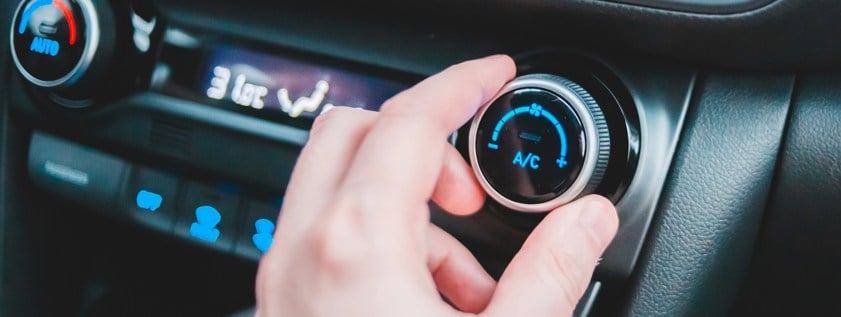
Instead, drivers should make use of their car's air conditioning system. Most modern vehicles are fitted with pollen filters, which help prevent airborne particles from entering the cabin, reducing exposure to allergens while keeping the interior comfortable.
For those who suffer from severe hay fever, keeping the windows closed throughout a journey can help minimise exposure to pollen and reduce symptoms behind the wheel.
Applying a small amount of petroleum jelly, such as Vaseline, beneath the nostrils is a popular hay fever remedy that may help reduce symptoms while driving.
The jelly acts as a barrier, helping to trap pollen and dust before they enter the nose and irritate the sinuses. By limiting exposure to allergens, drivers may experience fewer symptoms such as sneezing and watery eyes.
While it may seem like a simple precaution, managing hay fever symptoms is important for staying focused behind the wheel. If a driver's symptoms affect their ability to maintain proper control of the vehicle, they could face a fine of up to £1,000.
Your car's pollen filter plays a key role in keeping allergens out of the cabin. However, over time, these filters become clogged and less effective.
To maintain optimum performance:
- Replace pollen filters annually where possible
- Check your vehicle handbook for recommended maintenance intervals
- Inspect filters before peak pollen season
Fortunately, changing a pollen filter is often a quick and simple job. In many vehicles, it can be replaced at home without specialist tools, helping to improve air quality and reduce exposure to allergens while driving.
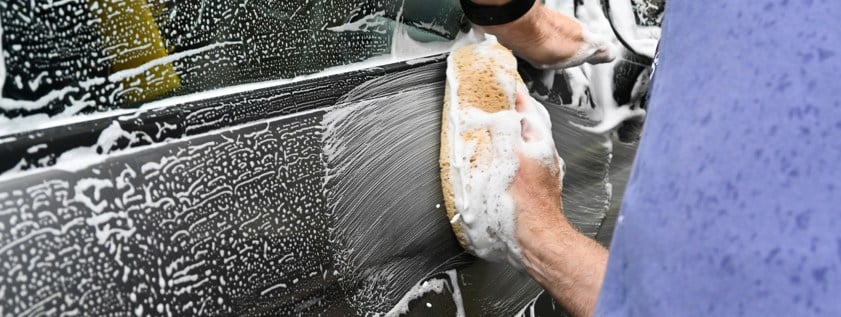
Pollen doesn't just affect drivers outdoors- it can also build up on seats, carpets, dashboards and air vents, increasing your exposure to allergens every time you drive.
Regular cleaning can help reduce the amount of pollen circulating around the cabin. To keep your car as pollen-free as possible, try to:
- Vacuum carpets, mats and seats regularly
- Wipe down dashboards and other interior surfaces
- Clean air vents and door panels
- Wash the exterior of your vehicle frequently
It's particularly important to keep the windscreen clean. A build-up of pollen can create streaks that obstruct visibility, especially in bright sunlight or wet weather.
Drivers who fail to maintain a clear view of the road could face a £1,000 fine and three penalty points under Highway Code regulations.
With pollen counts expected to remain high across parts of the UK throughout the warmer months, taking simple precautions can make journeys safer and more comfortable.
Checking medication, keeping your vehicle clean, replacing pollen filters, and reducing exposure to allergens can all help minimise symptoms and lower the risk of accidents or penalties.
“Ultimately, drivers have a responsibility to make sure they're fit to drive at all times, and taking precautions during high pollen periods is essential to staying safe and avoiding unnecessary fines”
For motorists affected by seasonal allergies, a few simple steps could make all the difference this summer.
Originally posted: 4th June 2026