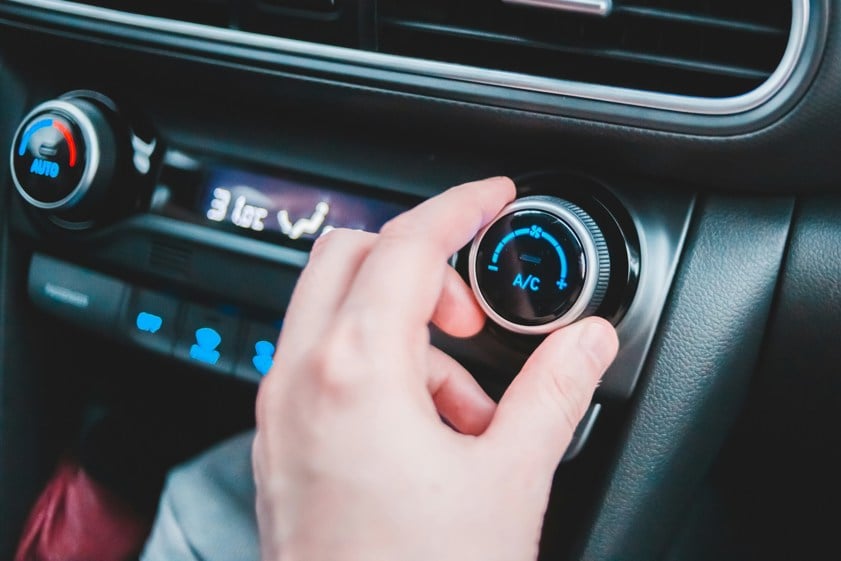
It's a debate that's divided drivers for years. While some believe opening the windows is always the more fuel-efficient option, others argue that using the air conditioning is actually better at higher speeds.
In reality, both can affect your fuel economy, but in different ways. Understanding how each impacts your vehicle can help you make the most efficient choice.
In this guide, we'll explain what's happening under the bonnet, explore what the research says, and outline a simple principle that can help drivers improve fuel economy.
Both air conditioning and driving with the windows open can affect your fuel economy, but they do so for different reasons.
When you turn on the air conditioning, the system's compressor draws power from the engine, increasing its workload and, in turn, fuel consumption. This is particularly noticeable in petrol and diesel vehicles.
Opening the windows, on the other hand, doesn't put extra strain on the engine. Instead, it creates aerodynamic drag. As air flows into the cabin, it disrupts the vehicle's airflow, making it less aerodynamic and forcing the engine to work harder to maintain speed.
At lower speeds, the impact of open windows on fuel efficiency is relatively small. However, at higher speeds, particularly on motorways, the increased drag can have a much greater effect on fuel consumption.

Several studies have explored whether driving with the windows down or using the air conditioning is more fuel efficient.
Research published by the Society of Automotive Engineers (SAE) found that, for many vehicles, aerodynamic drag caused by open windows has a greater impact on fuel economy than air conditioning once speeds increase. The effect was particularly noticeable in lower, more aerodynamic cars, while taller vehicles such as SUVs experienced slightly less difference.
Similarly, Consumer Reports found that there's no universal answer, as fuel consumption depends on factors such as the vehicle, outside temperature and driving conditions. However, its testing also showed that open windows become progressively less efficient as speed increases
Even MythBusters put the theory to the test, concluding that at motorway speeds, running the air conditioning can be more fuel-efficient than driving with all the windows open.
While the exact impact varies between vehicles, the evidence points towards one simple conclusion.
When Should You Use the Air Con or Open the Windows?
If you're looking for one easy rule to remember, it's this:
Below 45mph? Open the windows.
Above 45mph? Use the air conditioning.
At lower speeds, aerodynamic drag is minimal, making open windows the more efficient option.
Once you reach faster roads or motorways, the increased drag created by open windows often outweighs the fuel needed to run the air conditioning.
Hybrid and electric vehicles operate slightly differently when it comes to air conditioning.
Because many hybrids and EVs don't rely on a traditional engine to power the air conditioning, they can often operate the system more efficiently than petrol or diesel vehicles.
That said, air conditioning still consumes energy. In an electric vehicle, this power comes from the battery, meaning frequent use can reduce driving range, particularly on longer journeys or during periods of very hot weather.
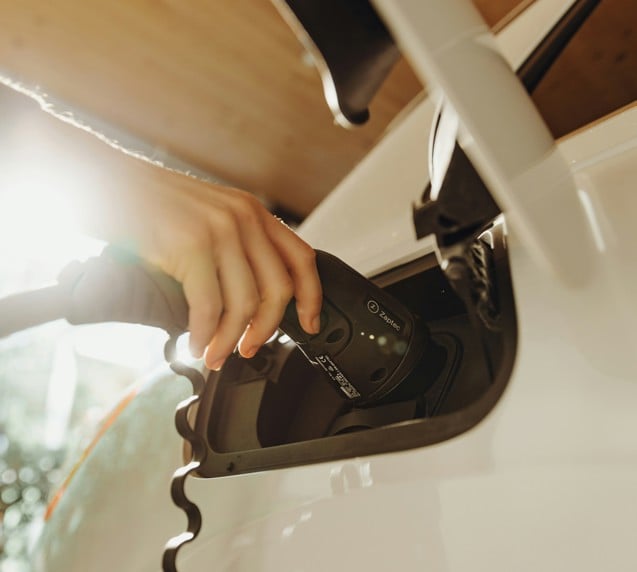
For drivers considering switching to a hybrid or electric vehicle, choosing a model with an efficient climate control system can help maximise range while maintaining comfort.
While deciding between open windows and air conditioning can have an impact on fuel economy, your everyday driving habits are likely to make a much bigger difference.
To improve fuel efficiency, remember to:
- Keep your tyres inflated to the correct pressure
- Remove unnecessary weight from the boot
- Take off roof boxes and roof bars when they're not needed
- Accelerate and brake smoothly
- Keep up with regular servicing and maintenance
These simple steps can often have a greater effect on fuel consumption than whether you choose to drive with the windows open or the air conditioning switched on.
“While the difference between using your air conditioning and opening the windows may seem small, every improvement in fuel efficiency can help reduce running costs over time. Understanding how your vehicle performs in different driving conditions allows motorists to make smarter choices and get more from every journey”

If you're driving around town, opening the windows is generally the most fuel-efficient option. For faster roads and motorway journeys, switching on the air conditioning is usually the better choice.
Ultimately, improving fuel economy is about combining small changes with good driving habits. Keeping your vehicle well maintained, planning journeys efficiently and choosing a fuel-efficient car can all help reduce running costs.
If you're looking to lower your everyday motoring costs, browse our range of fuel-efficient, hybrid and electric car lease deals to find a vehicle that suits your lifestyle and budget.
Originally posted: 9th July 2026