


As temperatures drop across the UK, minor winter car issues can quickly turn into costly breakdowns and hefty repair bills as the cold weather puts extra strain on your car. But some little-known tricks, including one that costs just £1, could help drivers prevent damage and save hundreds this winter.
Recent cold snaps have pushed breakdown callouts up by more than 22%, with simple issues such as low tyre pressure, frozen wipers and iced-up locks among the most common causes.
To help people avoid unnecessary repairs and stay safe on winter roads, Nationwide Vehicle Contracts shares five low-cost winter checks that can help drivers stay safe and avoid expensive repairs.
As warm air inside the car hits cold glass, condensation builds up, leading to fogged-up windows and poor visibility. If left unaddressed, increasing the risk of mould growth and even electrical faults over time.
Placing a few unused, dry tea bags in breathable holders, such as a small dish or fabric pouch, around the car, helps absorb excess moisture, acting as a £1 alternative to commercial dehumidifiers.
Similar to tea bags, silica gel packets from packaging work in the same way, helping to absorb moisture inside the car and reduce windscreen fogging. If condensation keeps returning, a proper automotive dehumidifier offers a more reliable solution.
In freezing conditions, windscreen wiper blades can stick to the windscreen. Switching them on while frozen can tear the rubber or strain the motor, leading to poor visibility and costly repairs.
A cheap fix is to use windscreen wiper covers, which can be bought for around £3. Choose breathable, soft-lined covers to lower the risk of scratching the glass and fit them overnight to stop blades freezing to the glass.
Be sure to only fit covers when the wipers are switched off and parked correctly. Always remove the covers before driving.
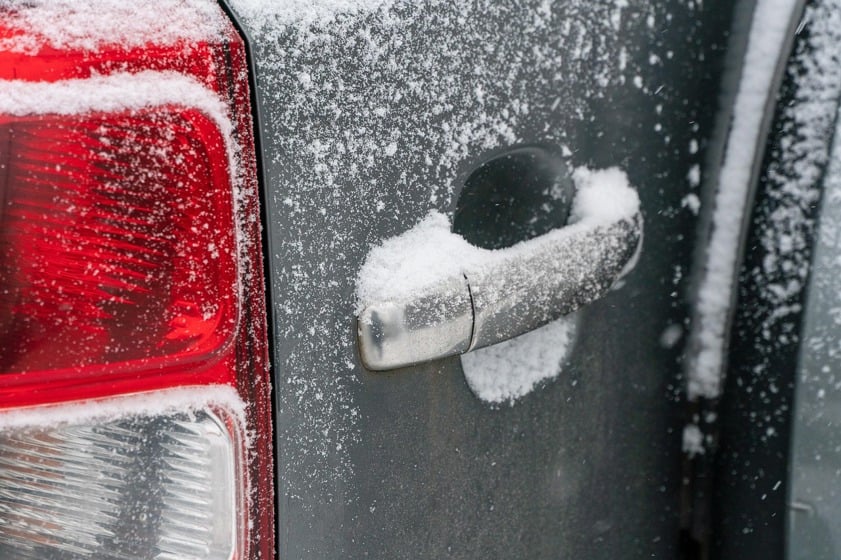
Moisture from rain or snow can seep into door-lock mechanisms and freeze overnight. Forcing a frozen lock can snap handles or damage internal mechanisms.
Spray a small amount of car de-icer directly into the lock barrel to melt ice quickly. As many drivers already keep de-icer on hand during winter, this is a simple, near-free fix for icy mornings.
Be sure to spray lightly to avoid excess liquid running into trim or electrics, and avoid spraying paintwork or seals.
Clear visibility matters more in winter and road spray and salt build up fast. Standard windscreen washer fluid can freeze in sub-zero temperatures, leaving drivers unable to clear dirt or road salt which significantly reduces visibility.
To prepare for winter weather, switch to a winter-grade screenwash with anti-freeze properties. It usually costs under £4 and protects washer jets, pipes, and the reservoir.
Tyres cause nearly one in five winter breakdowns. As cold air contracts, tyre pressure typically drops by around 1–2 PSI for every 10-degree fall in temperature.
Low pressure reduces grip on wet and icy roads. It also increases fuel use and tyre wear, , meaning even a small drop can have a noticeable impact on both safety and running costs.
A simple digital tyre pressure gauge costs around £1 to £3. Check pressures weekly during winter. This small step helps avoid premature tyre replacement and higher fuel costs associated with driving on underinflated tyres.
“Winter can be tough on cars, but many common problems are preventable. Low-cost steps like checking tyre pressures or protecting wipers can help drivers avoid breakdowns and expensive repairs. These checks also keep vehicles safer and more reliable through colder months”

For more winter car advice, visit our Motoring Guides hub.
Originally posted: 3rd February 2026