
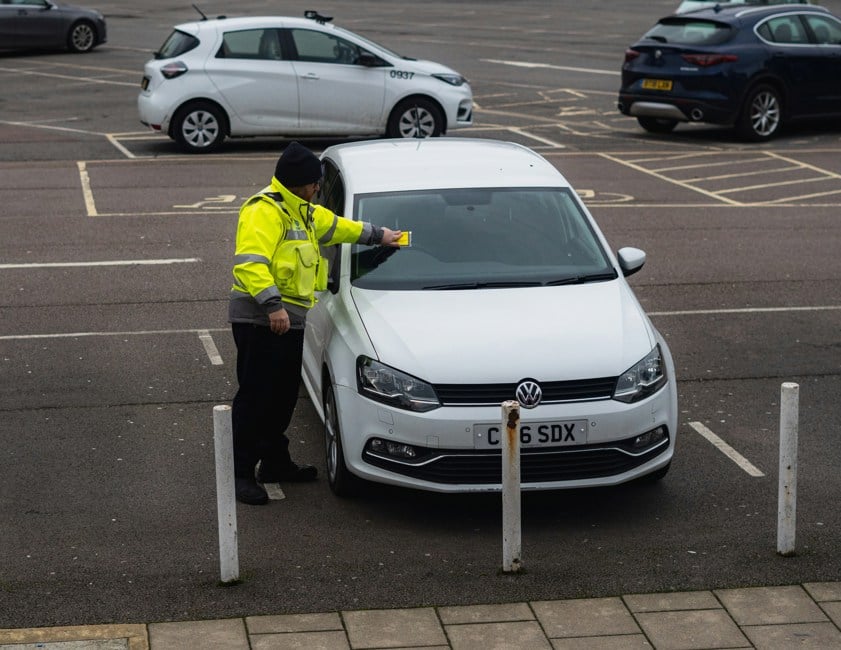
Motorists across the UK are being hit with rising parking fines as councils ramp up enforcement and launch a nationwide crackdown.
Parking penalties have surged in dozens of areas, with some councils now issuing fines of up to £1,000 for everyday mistakes.
Drivers are facing fines of up to £1,000 for simple errors, often caused by rules they do not know exist.
Nationwide Vehicle Contracts highlights five parking mistakes that can cost you hundreds or even thousands, along with tips on how to challenge a parking fine.
More drivers than ever are being fined for parking with their cars facing the wrong way at night.
It is an easy mistake to make. You pull up on a dark street, grab the first space you see, and don’t realise your car is facing the wrong way.
Under Rule 248 of the Highway Code, you must not park on a road at night facing against the direction of traffic.
It may seem harmless, but it creates a safety risk. Your rear reflectors help other drivers see your car. Your front headlights do not reflect the same way, making your vehicle harder to spot.
The penalty is high, and many drivers only find out after receiving a fine. Charges can reach £1,000 for cars and can be even more for vans and larger vehicles.
If your car sits more than 50cm from the kerb, you can be fined for causing an obstruction.
This is an easy mistake to make, especially on wider roads where leaving extra space can feel more convenient. Many drivers assume it is fine if there is still room for traffic to pass.
In reality, this gap can disrupt the flow of vehicles and create access issues for other road users, including emergency services and larger vehicles.
Under Rule 242 of the Highway Code, you must not leave your vehicle in a dangerous position or where it causes unnecessary obstruction.
Wardens continue to enforce this rule, particularly in busy or residential areas where space is limited. Fines are usually issued by local councils through a Penalty Charge Notice, with charges typically between £50 and £80.
If the fine is ignored, the charge can increase, and the case may escalate to court action, leading to additional costs and enforcement.
Sounding your horn while stationary is illegal in built-up areas, except in emergencies.
This is a common mistake, especially on residential streets where drivers often beep to let someone know they have arrived. Many people see this as harmless, but the law treats it as unnecessary noise.
Highway Code Rule 112 states you must not use your horn while stationary, unless another road user poses a danger. This is backed by the Road Vehicles (Construction and Use) Regulations 1986, Regulation 99.
The rule exists to reduce disturbance, particularly at night, when noise can affect nearby residents. Even a quick beep can be an offence if it is not for safety reasons.
If reported or witnessed by enforcement officers, this can lead to a Fixed Penalty Notice of £30 to £50.
Repeated offences are more likely to be enforced, especially in quieter areas where complaints are more common. In some cases, fines can rise to £1,000 if the matter goes to court.
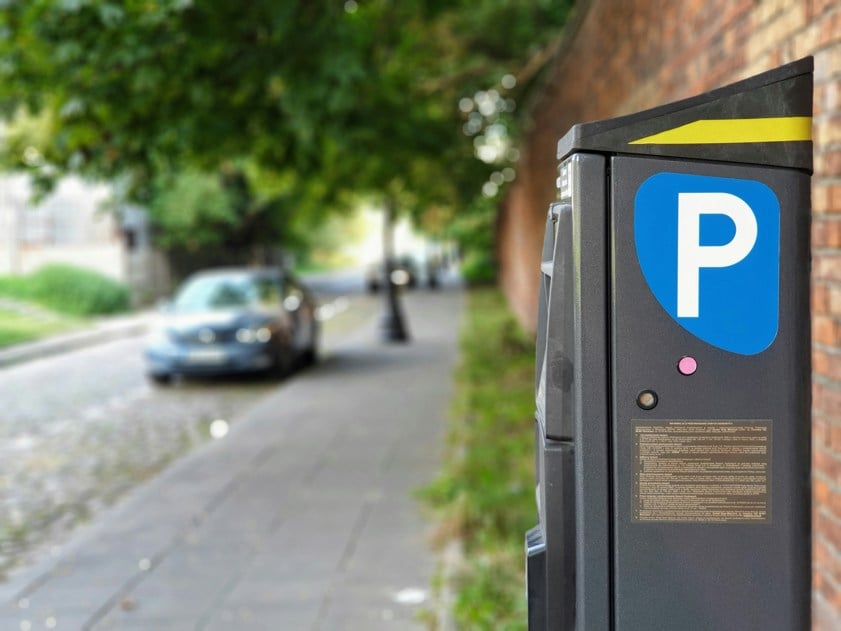
Parking apps require exact details. One wrong digit counts as a non-payment, triggering an instant parking fine.
This is a common mistake, especially when drivers are in a hurry or using autofill on their phone. It only takes one incorrect character for the system to treat your session as invalid.
Most operators rely on automated number plate recognition systems. These check your registration against payment records, and if there is no exact match, a penalty is issued.
Even if you have paid, the system may not recognise it if the details are wrong. This means you can still receive a fine without any warning.
This is not covered by a specific Highway Code rule. It falls under contract law. When you park on private land and use an app, you enter a contract with the parking operator.
The terms usually require you to enter your full and correct vehicle registration. If your number plate does not match your payment, operators can issue a charge of between £60 and £100, often reduced to around £30 to £60 if paid within 14 days.
Many drivers only realise the error when a notice arrives. Some appeals may succeed if you can show proof of payment, but this is not guaranteed, so it is important to double-check your details before confirming.
You can be fined for blocking a dropped kerb, even outside your own home.
This often catches drivers out, especially in residential areas where parking is limited. Many assume it is acceptable to park across their own driveway, but the rules still apply.
A dropped kerb is there to allow access for vehicles, pedestrians, wheelchair users, and pushchairs. Blocking it can prevent safe access and create issues for others using the pavement or road.
Under the Traffic Management Act 2004, councils can enforce this as a civil offence. It is treated as obstruction, regardless of who owns the access point.
Enforcement applies whether the dropped kerb belongs to your property or not. Wardens can issue a Penalty Charge Notice without warning if the access is blocked.
Fines typically range from £50 to £130, depending on the area, and are usually reduced by 50 percent if paid within 14 days.
“If you believe a fine is unfair, act quickly. Gather evidence, check the rules, and submit an appeal. Many fines get overturned when drivers challenge them early and the operator has not followed the correct process.”

If you receive a parking fine, act fast. A clear approach can improve your chances of success and help you avoid higher charges.
Follow these steps:
- Check the evidence. Review photos, time stamps, and details carefully
- Take your own photos. Capture signs, bay markings, and the surrounding area
- Appeal early. Stay within the discount window to keep the reduced rate
- Do not ignore letters. Charges can increase quickly if you delay
- Read signage carefully. Rules can change between locations and operators
Many fines can be challenged successfully if you act early and have the right evidence.
Parking fines are avoidable, but only if you know the rules. A quick check before you leave your car can save you a significant amount.
For more advice on challenging unfair parking fines, visit our blog on Ten Tips for Fighting Unfair Private Parking Fines.
Originally posted: 27th March 2026
