

As more drivers look for ways to reduce their environmental impact, making simple changes behind the wheel can make a real difference. While switching to an electric vehicle is one option, there are plenty of ways to lower your carbon footprint regardless of what you drive.
Whether you're commuting to work, heading off on a road trip or simply running everyday errands, adopting more efficient driving habits can help reduce emissions, improve fuel economy and even reduce your running costs.
In this guide, Nationwide Vehicle Contracts shares seven simple ways to reduce your carbon footprint when driving.
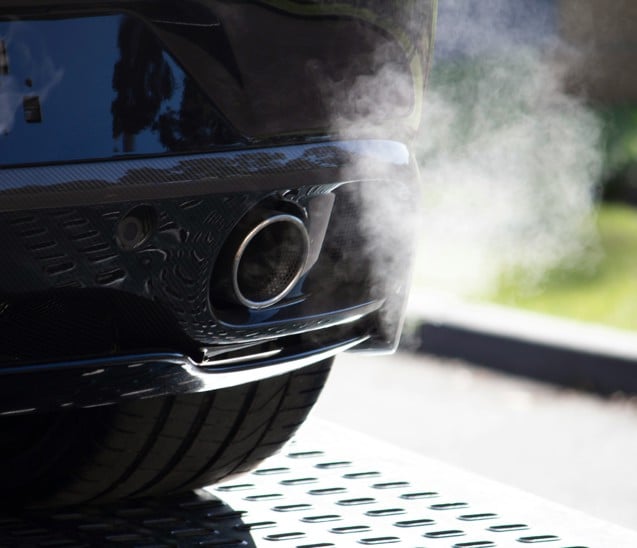
A carbon footprint is the total amount of greenhouse gases produced by our everyday activities, including driving. In the UK, transport is one of the largest contributors to greenhouse gas emissions, with cars accounting for more than half of all road transport emissions.
While petrol and diesel vehicles produce emissions every time they're driven, electric vehicles produce zero tailpipe emissions. However, regardless of the type of car you drive, adopting more efficient driving habits can help reduce your overall environmental impact.
One of the simplest ways to reduce your carbon footprint behind the wheel is to adopt a smoother driving style.
Rapid acceleration, harsh braking and frequent changes in speed can all increase fuel consumption and emissions. Instead, try to anticipate traffic conditions, accelerate gradually and maintain a steady speed where it's safe to do so.
Smoother driving can not only improve fuel efficiency but also help reduce wear on your tyres and brakes.
Correct tyre pressure doesn't just improve safety, it can also make your car more efficient.
Underinflated tyres create greater rolling resistance, meaning the engine has to work harder to keep the vehicle moving. Regularly checking and maintaining the recommended tyre pressure can improve fuel economy while also extending the life of your tyres.
Most manufacturers recommend checking tyre pressures at least once a month and before any long journey.
The heavier your vehicle, the more energy it needs to move.
Items left in the boot, roof boxes and roof racks all increase fuel consumption, particularly on longer journeys. Removing anything you don't need can improve efficiency and help reduce emissions.
If you only use roof bars or a roof box occasionally, it's worth taking them off once your trip is over to minimise aerodynamic drag.
Leaving your engine running while stationary wastes fuel and increases unnecessary emissions.
Modern vehicles don't need to idle for long periods before setting off, and if you're waiting for someone or stopped for more than a minute, switching the engine off can help reduce your environmental impact.
Many newer vehicles also feature stop-start technology, which automatically switches the engine off when stationary and restarts it when you're ready to move, helping to improve overall efficiency.
Planning ahead can help reduce both the distance you travel and the amount of time spent sitting in traffic.
Combining several errands into one journey, avoiding congestion where possible and choosing the most efficient route can all help lower fuel consumption and reduce emissions.
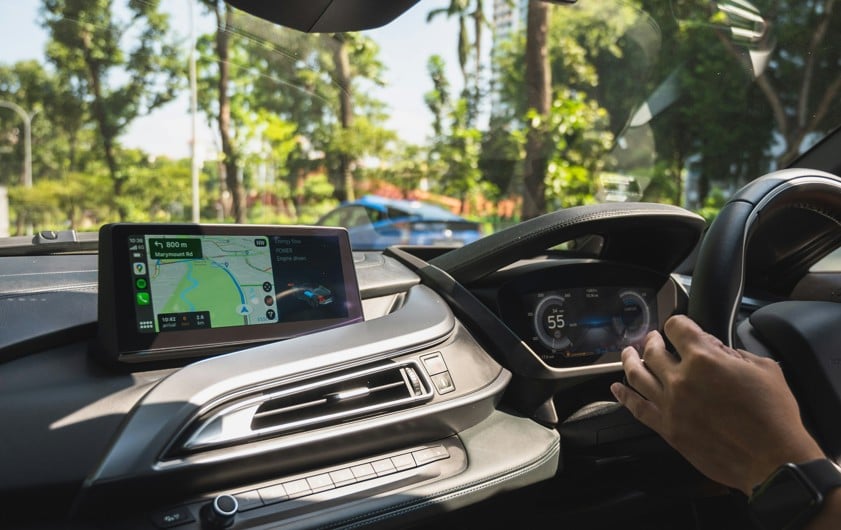
Many sat navs and smartphone apps can also use live traffic information to suggest more efficient routes, helping you save fuel and reduce emissions along the way.
A well-maintained vehicle is generally a more efficient one.
Keeping up with servicing, keeping fluids topped up and replacing worn components when needed all help your car perform at its best. Clean air filters, correctly aligned wheels and properly maintained tyres can also make a difference to overall efficiency and reduce unnecessary emissions.
Staying on top of routine maintenance can improve your vehicle's performance and may help you avoid costly repairs further down the line.
If you're considering replacing your current car, switching to a hybrid or electric vehicle can significantly reduce your driving emissions.
Electric vehicles produce zero tailpipe emissions, while hybrids use a combination of petrol and electric power to improve fuel efficiency, particularly on shorter journeys and in stop-start traffic.
Leasing can make the transition easier by giving drivers access to the latest low-emission models without the long-term commitment of buying outright.
Reducing your carbon footprint doesn't always require major lifestyle changes. Small improvements to the way you drive and maintain your vehicle can add up over time, helping to lower emissions while improving fuel efficiency.
“Reducing your carbon footprint doesn't have to mean changing the way you live overnight. Small adjustments, such as driving more smoothly, keeping your tyres correctly inflated and planning journeys more efficiently, can all make a noticeable difference over time. For drivers looking to go one step further, modern hybrid and electric vehicles offer an excellent way to reduce emissions while continuing to enjoy everyday practicality”

Whether you're making small changes to your driving habits or considering a more efficient vehicle, every step towards reducing emissions can have a positive impact.
Browse Nationwide Vehicle Contracts' latest hybrid and electric lease deals to discover a range of vehicles designed to help you drive more sustainably.
Originally posted: 13th August 2026