


Overview:
- The London Congestion Charge is a daily fee for driving in central London during set charging hours, and most vehicles need to pay it if they enter the zone.
- It currently costs £18 per day if paid in advance or on the day, rising to £21 if paid by midnight on the third day after travel.
- The charge is different from the ULEZ: the Congestion Charge is about reducing traffic, while the ULEZ is based on vehicle emissions.
- Electric cars are not fully exempt, but eligible EVs registered for Auto Pay can still get a discount, making them a better-value option for regular London driving.
If you drive into central London regularly, the Congestion Charge is one of those costs you simply can’t ignore.
It catches plenty of drivers out, not because it is impossible to understand, but because it is easy to mix it up with the ULEZ or assume certain cars are exempt when they are not.
In simple terms, the Congestion Charge is a daily fee for driving in central London during set hours.
In this blog, we’ll explain what it is, how much it costs, who has to pay, what discounts are available, and how it differs from the ULEZ and Clean Air Zones in other cities.
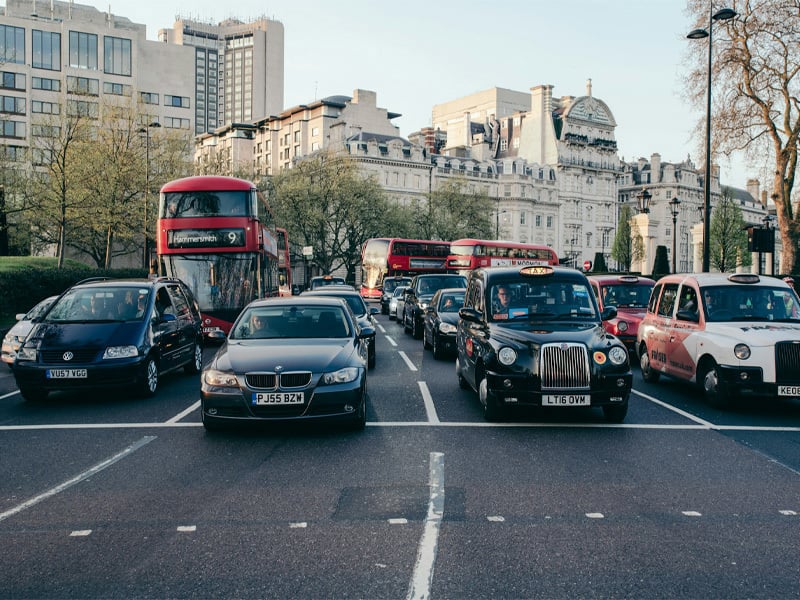
The London Congestion Charge is a daily charge for driving within the Congestion Charge Zone in central London. It was introduced to help manage traffic and reduce congestion in one of the busiest parts of the capital.
TfL monitors the zone using number plate recognition cameras, so if you drive into the area during charging hours, your vehicle can be identified automatically.
That is what often catches drivers out. You do not have to spend all day in the zone to be charged. Even a short journey through the area during charging hours can trigger the daily fee.
“Pay close attention when driving in a congestion charge zone. If you enter a congestion charge area, even for a couple of seconds, you will be charged, and failure to pay can result in a substantial fine.”

Costs for the Congestion Charge are as follows:
- £18 per day if you pay on the day of travel or in advance
- £21 per day if you pay by midnight on the third day after travel
If you miss the payment deadline, TfL can issue a Penalty Charge Notice of £180, which is reduced to £90 if paid within 14 days.
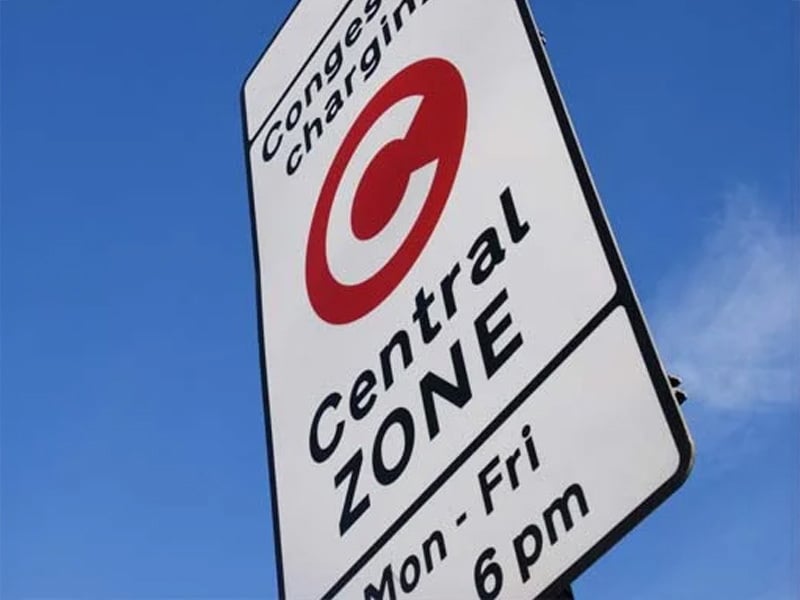
The charge applies during the following times:
- Monday to Friday: 7:00am to 6:00pm
- Saturday, Sunday and bank holidays: 12:00pm to 6:00pm
There is no charge between Christmas Day and the New Year’s Day bank holiday, inclusive.
Anyone driving within the CCZ during charging hours has to pay. That includes:
- Petrol
- Diesel
- Hybrids
- Plug-in hybrids
- Electric cars
This is the part many drivers still get wrong. Unlike the ULEZ, the Congestion Charge is not mainly about emissions. It is there to manage traffic levels in central London, which means even a fully electric car can still be charged unless it qualifies for a discount.
There is a big difference between a discount and an exemption.
A discount means you still fall within the scheme, but you pay less. An exemption means you do not have to pay at all, provided your vehicle meets the rules TfL has set out.
The old 100% Cleaner Vehicle Discount has ended. TfL now offers a new tiered Cleaner Vehicle Discount, but it only applies to eligible electric vehicles that are registered for Auto Pay.
- Electric cars on Auto Pay: 25% discount, so the daily charge is £13.50
- Electric vans, HGVs and quadricycles on Auto Pay: 50% discount, so the daily charge is £9.00
If your electric vehicle is not registered for Auto Pay, the discount does not apply.
Note: From March 2030, the electric car discount reduces to 12.5%, bringing the daily charge up to around £15 (if the regular daily charge stays the same).
If you live in the Congestion Charge Zone, you may be able to get a 90% Residents’ Discount. TfL says current discount holders will continue to get that 90% discount for all vehicle types, as long as they renew it each year.
However, from 1st March 2027, the rules change for new applicants:
- 90% discount will only apply to EVs
- Residents with non-EVs can still qualify if they receive certain benefits
TfL lists a range of other discounts and exemptions. These include:
- Blue badge holders
- Vehicles with 9 or more seats
- Accredited breakdown and roadside recovery vehicles
- Licensed taxis
Not sure which car makes sense for your commute? We're an independent leasing broker that provides honest, straightforward pricing to help you find the best deal for your budget. Head over to our car leasing for commuters page for more.
This is where a lot of confusion comes from.
The Congestion Charge is about traffic levels in central London. If you drive into the zone during charging hours, you usually pay, even if your car is electric or meets the latest emissions standards.
The ULEZ is about air quality. It operates across all London boroughs, does not include the M25, and only applies if your vehicle does not meet the required emissions standards. The ULEZ charge is £12.50 per day and runs 24 hours a day, 7 days a week, every day of the year except Christmas Day.
To summarise:
- Congestion Charge = mostly about reducing traffic in central London
- ULEZ = mostly about improving air quality across a much larger part of London
London is the only UK city with the Congestion Charge, but it is not the only place with driving-related charges.
Outside London, several cities operate Clean Air Zones, including:
- Bath
- Birmingham
- Bradford
- Bristol
- Portsmouth
- Sheffield
- Tyneside
Electric and ultra-low emission vehicles are generally exempt from CAZ charges, so going electric still delivers real savings if you regularly drive in these cities.
For many drivers, yes.
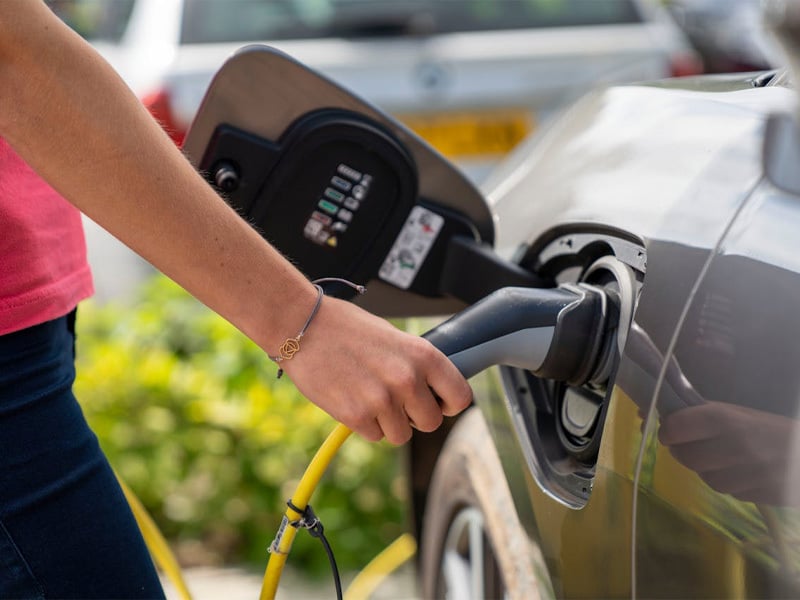
Electric cars are no longer fully exempt from the Congestion Charge, but TfL still offers a reduced daily rate for eligible electric vehicles on Auto Pay. At today’s rates, an electric car on Auto Pay pays £13.50 instead of £18, which still adds up to a useful saving for regular commuters.
If you drive into the Congestion Charge Zone five days a week for a full working year, that discount could save you more than £1,100 a year compared with paying the full daily charge.
And beyond the Congestion Charge, electric cars offer:
- Lower fuel costs
- ULEZ exemption
- Lower BiK rates for company car drivers
- Lower servicing costs over time
The London Congestion Charge is not the most exciting part of driving, but it is one of those things that is worth understanding properly. The biggest takeaway is simple: do not assume your car is exempt just because it is modern, hybrid, or electric.
The Congestion Charge and the ULEZ are different schemes, with different rules.
If you want a car that suits city driving, commuting, or low-emission zones, we can help.
We’ve been trusted since 2002 and have arranged more than 180,000 leases, with expert UK support and transparent pricing every step of the way.
Originally posted: 25th March 2026
Due to be reviewed: 30th November 2026