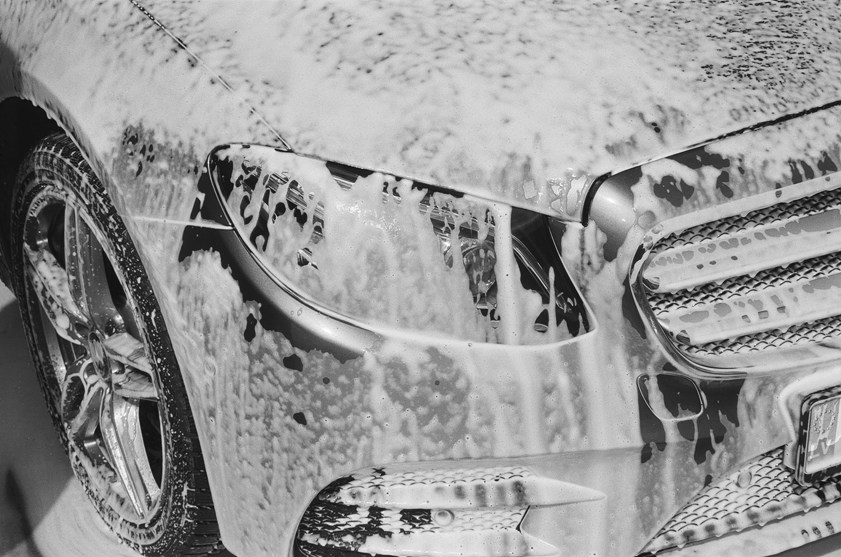
As hosepipe bans are introduced across parts of southern England, many motorists may be unsure about whether they're still allowed to clean their vehicles.
While using a hosepipe at home may be restricted, drivers remain legally responsible for ensuring their vehicle is safe to drive. Dirty windscreens, number plates, windows and lights can all lead to fines if they reduce visibility or make the vehicle less visible to other road users.
Nationwide Vehicle Contracts explains how to keep your car clean during a hosepipe ban and the penalties drivers could face if they don't.
Although hosepipe restrictions limit how you can wash your vehicle, there are still several legal ways to keep it clean.
Drivers can:
- Use a bucket or watering can filled from an indoor tap with a sponge and lukewarm water.
- Choose waterless car cleaning products, which safely remove dirt using specialist cleaning solutions and microfibre cloths.
- Visit a commercial car wash, which is often exempt from hosepipe bans and may recycle water as part of its operation.
As restrictions can vary depending on your water supplier, it's always worth checking local guidance before cleaning your vehicle.
Why Keeping Your Car Clean Still Matters
Keeping your car clean is about more than appearance - it's an important part of staying safe and road legal.
A build-up of dirt, mud and grime can reduce visibility and make it more difficult for other road users to see your vehicle or read your intentions. Even during a hosepipe ban, motorists remain legally responsible for ensuring their vehicle is roadworthy.
Your windscreen provides your primary view of the road ahead, so keeping it clean is essential for a clear view and surrounding traffic.
A build-up of dirt, insects or smudges can all obstruct your vision and increase the risk of an accident. Under Regulation 30 of the Road Vehicles (Construction and Use) Regulations 1986, drivers must maintain a full view of the road and traffic ahead.
Regularly cleaning both the inside and outside of the windscreen can help prevent visibility issues and reduce the risk of receiving a fine.
Your number plates must remain clean, clearly visible and easy to read at all times.
Under the Highway Code, drivers are responsible for ensuring their lights, indicators, reflectors and registration plates are kept clean. If dirt or mud obscures your number plate, you could be fined up to £1,000.
Regularly wiping down your registration plates is a quick and simple way to stay compliant and avoid an unnecessary penalty.
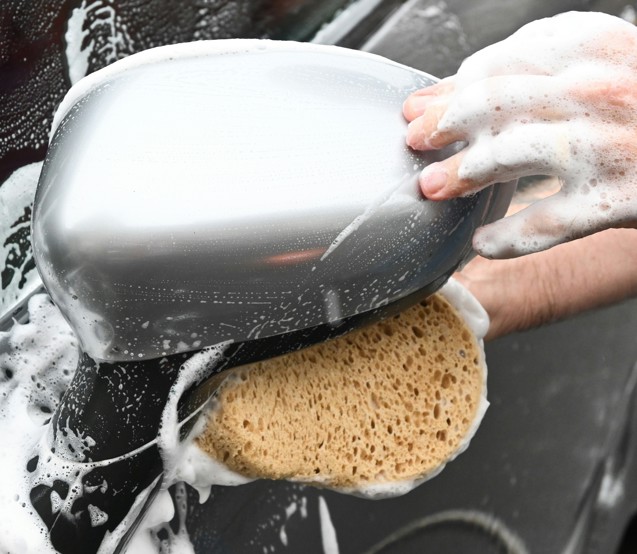
Clean windows and mirrors are essential for maintaining good visibility and staying aware of what's happening around your vehicle.
A build-up of dirt or grime can make it harder to spot pedestrians, cyclists and other road users, particularly when changing lanes or reversing. If your view is obstructed, you could face a fine of up to £1,000.
Cleaning your windows and mirrors is especially important after driving on muddy or dusty roads and before setting off on longer journeys.
Headlights, brake lights and indicators play a vital role in helping other road users see your vehicle and understand your intentions.
If they're covered in dirt, they become less effective, particularly during poor weather or at night.
Drivers caught with dirty lights could receive a £50 fine, making them another important part of your vehicle to check regularly.
“With hosepipe bans in place across parts of the UK, many drivers may assume they can put off cleaning their car until restrictions are lifted. However, that's not the case. While you may not be able to use a hosepipe at home, it's still your responsibility to ensure key parts of your vehicle, including the windscreen, windows, mirrors, lights and number plates, are kept clean and roadworthy.
A dirty vehicle isn't just an aesthetic issue, it can affect visibility, making it harder for other road users to see your intentions and, in some cases, lead to significant fines. Fortunately, there are still plenty of ways to keep your car clean during a hosepipe ban, whether that's using a bucket and sponge, waterless cleaning products or visiting a commercial car wash. Taking a few minutes to remove dirt and grime could help drivers avoid unnecessary penalties and stay safe on the road.”

A hosepipe ban doesn't mean you have to stop cleaning your car altogether.
By using alternative cleaning methods and paying particular attention to key areas such as your windscreen, lights, mirrors and number plates, you can keep your vehicle roadworthy while staying within local water restrictions.
For more vehicle maintenance advice, browse the latest guides on the Nationwide Vehicle Contracts blog.
Originally posted: 20th July 2026