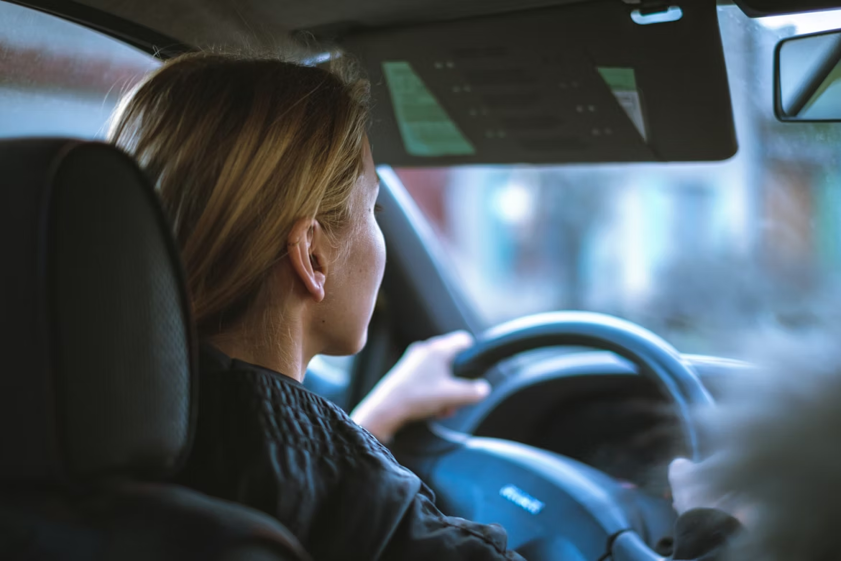
Driving anxiety is becoming an increasingly common issue on UK roads, particularly among younger motorists and new drivers.
New TikTok search data shows that “driving anxiety” has reached a popularity score of 138,000, with more than half of interest coming from users under 25. This suggests a growing number of drivers are turning to social media for reassurance and practical advice on how to cope behind the wheel.
Car leasing experts at Nationwide Vehicle Contracts have teamed up with psychotherapist and author Eloise Skinner to share simple, effective ways to manage anxiety while driving and build long-term confidence.
Deep breathing is one of the most effective ways to calm the nervous system and reduce physical symptoms of anxiety.
Eloise recommends using box breathing, a simple technique that follows a 4–4–4–4 pattern:
- breathe in for four seconds
- hold for four seconds
- breathe out for four seconds
- hold again for four seconds
This 16-second cycle can help regulate your breathing and bring your body back to a calmer state.
“Deep breathing can be an effective way to calm the nervous system and ease the physical symptoms of anxiety", Eloise explains.
If focusing on your breathing while driving feels overwhelming, she advises pulling over safely to reset before continuing your journey.
Uncertainty can be a major trigger for driving anxiety, especially when navigating unfamiliar roads.
“Planning out your route ahead of time can reduce feelings of uncertainty or anxiety about unknown roads or getting lost", says Eloise.
Setting up your sat nav or maps app before you set off can help you feel more prepared and in control, allowing you to focus on driving rather than worrying about directions.

Natural pauses during your journey can be a great opportunity to calm your body and prevent anxiety from building.
Eloise suggests using red lights or traffic stops as a quick reset:
- unclench your jaw
- drop your shoulders
- take one slow, steady breath out
This small action can release tension and help you regain focus before moving off again.
Having a friend or family member in the car can make a big difference when dealing with anxiety behind the wheel.
“Driving with a friend or family member can reduce anxiety and fear, as having someone in the car can act as a form of support", explains Eloise.
Even quiet company can help reduce feelings of isolation and make the experience feel less overwhelming.

Trying to push through anxiety too quickly can often make it worse.
Instead, Eloise recommends starting with shorter, more manageable journeys, such as local routes or driving during quieter times of day.
Gradually increasing the length and complexity of your trips can help build confidence at a pace that feels comfortable and achievable
“Driving anxiety is more common than many realise, especially among younger or less frequent drivers. Simple steps like planning ahead and staying calm can help build confidence and make driving feel more manageable.”

Before you set off, try these simple tips:
- Practice box breathing before or during your journey
- Plan your route in advance
- Use traffic stops to reset your breathing
- Consider driving with someone you trust
- Start with shorter journeys and build up gradually
A few small changes can help reduce anxiety, improve focus, and make driving feel more manageable over time.
For more driving advice, visit our Motoring Guides hub.
Originally posted: 9th April 2026