


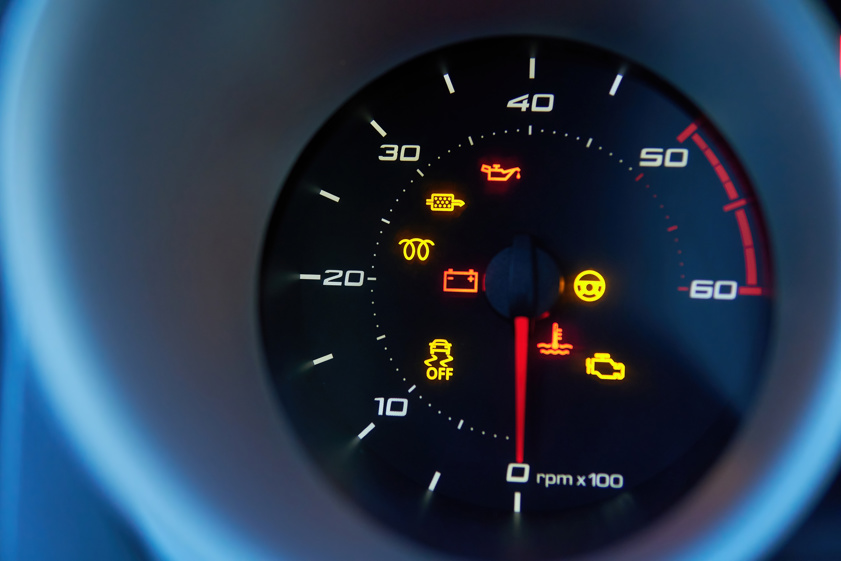
Dashboard warning lights can be confusing, and because it’s so important to understand what they mean, we decided to find out how many drivers can confidently identify the symbols that matter most when they’re behind the wheel.
To find out, we conducted an exclusive survey of 1,000 UK drivers to test their knowledge, comparing how easily they identify fast-food logos with critical car warning lights, and the results were surprising.
Keith Hawes, Director at Nationwide Vehicle Contracts, said:
“We wanted to see how well drivers understand the symbols that keep them safe – and the results were surprising. It’s interesting that most people can recognise a burger brand instantly, but not a critical dashboard warning. Knowing these symbols isn’t just useful, it can help prevent dangerous breakdowns and save you from costly repairs.”
While driving on the motorway, spotting fast‑food logos in the distance is second nature to most drivers. However, their knowledge of essential dashboard warning lights is alarmingly low.
In fact, our study found that 9 in 10 (88%) Brits instantly recognise the McDonald’s logo, yet a shocking 81% admit they couldn’t identify what the engine cooling warning light means, which is one of the most important indicators that there’s something wrong under the bonnet.
Ignoring dashboard alerts can create dangerous driving conditions. In fact, 1 in 6 drivers (15%) admit to ignoring a dashboard warning altogether, while 1 in 5 Gen Z motorists (21%) would continue to drive with a fault. This could lead to even more damage, costly repairs, and expensive fines.
Drivers are far more familiar with high‑street food chain logos than the lights designed to keep them safe.
- McDonald’s — 88% recognised
- KFC — 87%
- Domino’s — 82%
- Pizza Hut — 65%
- Greggs — 65%
- Engine cooling — 19% recognised
- A/C system fault — 44%
- Brake pad monitoring — 45%
- Brake system warning — 45%
- Limited power — 49%
- Battery charging system — 57%
- Tyre pressure warning – 60%
Nearly 4 in 5 drivers don’t know the engine cooling symbol, despite overheating being one of the most damaging issues a vehicle can face.
Take our quiz to see how many warning lights you can recognise!
To bring the findings into perspective:
- 88% recognise McDonald’s, but 81% don’t recognise the engine cooling warning.
- 58% recognise Nando’s, but 55% don’t understand brake pad monitoring symbols.
- 62% recognise Burger King, yet 57% don’t recognise the battery charging system warning.
This highlights a striking gap in driver awareness that could lead to avoidable breakdowns or safety risks.

Only 19% of drivers recognise this.
What it means: The engine temperature is too high, usually caused by low coolant or a cooling system fault. If ignored, severe overheating can cause irreversible engine damage, costing up to £500.
What drivers should do:
- Pull over and turn off the engine to prevent more heat build‑up.
- Once cooled, check your coolant level and top up using the correct type.
- If the warning stays on after topping up, the car may be unsafe to drive. Arrange a tow to a mechanic.
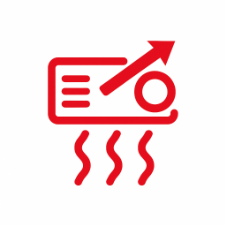
44% of drivers recognise this warning light.
What it means: There’s a fault with the air‑conditioning system that could impact cabin cooling or the car’s climate‑control efficiency. If ignored, minor issues can escalate into full system failure or compressor damage, which can be costly to repair.
What drivers should do:
- It’s not an urgent safety issue, so you can keep driving.
- Book a service soon to avoid further wear or expensive system failure.
- If cooling stops entirely, check your manual or speak to a technician.

Only 44% of drivers recognised this symbol.
What it means: Your brake pads are worn and may need replacing soon. Worn pads reduce braking performance. If ignored, brake pads typically cost around £250 to replace, but delaying repairs can damage the discs, which dramatically increases the cost.
What drivers should do:
- Short distances may be manageable, but arrange a brake inspection quickly.
- If the symbol flashes or braking feels abnormal, stop driving and seek immediate assistance.

Almost half (49%) of drivers can recognise this warning light.
What it means: The car has entered “limp mode” to protect itself from a fault. This is often sensor‑related or linked to fuel, emissions, or turbocharging. If ignored, costs vary from minor diagnostic fixes to major turbo or engine repairs if the underlying cause worsens.
What drivers should do:
- Drive cautiously and head to a garage as soon as possible.
- If accompanied by smoke, unusual noises, or sharp performance drops, pull over and call for assistance.

This warning light was recognised by 56% of drivers.
What it means: The battery isn’t charging properly, usually due to alternator, wiring, or voltage regulator issues. If ignored, the battery could drain completely, and the car may stop unexpectedly. Alternator repairs often cost several hundred pounds.
What drivers should do:
- Don’t switch the engine off until you reach a safe place; it may not restart.
- Reduce electrical use to preserve charge.
- Seek mechanical attention urgently.
Failing to recognise or respond to warning lights can be classed as driving a vehicle in a dangerous condition, which may result in fines and licence points.
Understanding what dashboard symbols mean isn’t just about protecting your vehicle, it’s about preventing unsafe situations and avoiding sudden, expensive repairs.
For more information, check out our car tips, tricks and hacks.
We are one of the UK’s leading car leasing brokers, offering a range of services to suit every need. Contact us, call us on 0345 811 9595, or check out our latest deals.
Sources:
Survey of 1,000 drivers, based within Britain, conducted on behalf of Nationwide Vehicle Contracts in January 2026 by The Leadership Foundation
Originally posted: 23rd January 2026