As more drivers switch to electric and hybrid vehicles, learning to drive in an automatic is becoming increasingly popular. In fact, automatic driving tests now account for a growing share of all practical tests taken in Great Britain.
However, opting for an automatic licence does come with limitations that many learner drivers may not fully understand. While automatic cars can be easier to learn in, passing in a manual still offers greater flexibility and could help keep long-term motoring costs lower.
In this guide, we explain the key differences between manual and automatic driving tests, explore the latest DVSA driving test statistics, and help you decide which option is best suited to your needs.
Whether you choose a manual or automatic vehicle, the practical driving test follows the same format. Learners are assessed on their ability to drive safely, obey road signs, complete manoeuvres, and react appropriately to a range of road and traffic conditions.
The key difference lies in the type of vehicle used during the test.
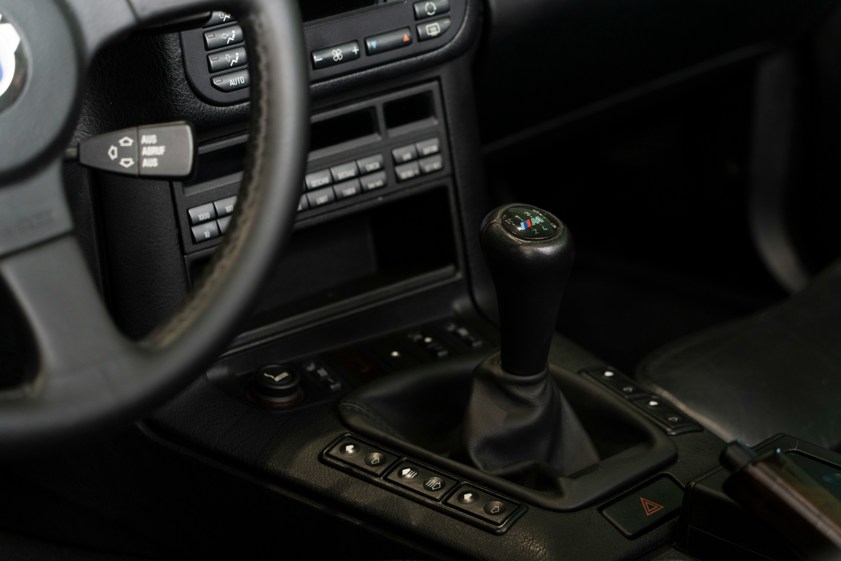
A manual car requires drivers to operate a clutch and change gears, whereas an automatic vehicle handles gear changes automatically. With fewer controls to manage, many learners find automatic cars easier and less stressful to drive, particularly in heavy traffic or busy urban environments.
For some learner drivers, not having to focus on clutch control and gear selection allows them to concentrate more on road positioning, hazard awareness and overall driving confidence.
One of the most important considerations when choosing between a manual and automatic driving test is the type of licence you'll receive after passing.
If you pass your test in an automatic vehicle, you'll be issued with an automatic only licence, commonly known as a Category B automatic licence. This allows you to drive a wide range of automatic vehicles, including:
- Automatic petrol cars
- Automatic hybrid vehicles
- Electric cars
- Most modern automatic SUVs and crossovers
However, an automatic licence does come with restrictions. Drivers who pass their test in an automatic vehicle are not permitted to drive manual cars.
If you decide later that you'd like to drive a manual vehicle, you'll need to take and pass another practical driving test in a manual car.
By contrast, passing your test in a manual vehicle gives you the flexibility to drive both manual and automatic cars, offering greater freedom when choosing a vehicle in the future.
Many learner drivers assume that because automatic cars are simpler to operate, passing an automatic driving test must be easier.
However, DVSA statistics suggest otherwise.
That doesn't necessarily mean automatic tests are more difficult. Instead, the difference may be influenced by the types of learners choosing automatic vehicles, such as nervous drivers or those who have previously found learning in a manual car challenging.
Ultimately, the assessment criteria remain exactly the same regardless of the vehicle's transmission. Whether you take your test in a manual or automatic car, you'll be expected to demonstrate the same level of skill, awareness and safe driving ability.
When comparing manual and automatic driving lessons, the cost per lesson is usually similar. However, many learners become test ready more quickly in an automatic, as there's no need to master clutch control and gear changes.
Insurance is where the biggest difference can appear. Research found that drivers with an automatic-only licence pay significantly more for cover than those with a manual licence.
Automatic-only licence: £1,296
Manual licence: £696
That's a difference of around 84%, making insurance an important factor to consider when deciding which type of licence is right for you.
Why are more learners choosing automatics?
The growing popularity of electric vehicles is changing how many people choose to learn to drive.
Because all fully electric cars are automatic, many learners see less value in learning manual gear changes if they plan to drive an EV in the future.
This growing demand for automatic vehicles is already influencing driving lessons and test trends, with automatic tests accounting for a much larger share of all practical tests than they did a decade ago.
For learners who expect to drive electric vehicles exclusively, an automatic licence may feel like the more practical option.
Ultimately, the right choice depends on your individual needs, driving goals and future plans.
“A manual licence remains the most flexible option for learner drivers, as it allows them to drive both manual and automatic vehicles. It can also provide access to a wider choice of used cars and may help keep insurance costs lower in the long run.”

An automatic licence could be a better fit if:
- You find clutch control and gear changes challenging
- You plan to drive electric vehicles only
- You want a simpler learning experience
- You mainly drive in towns and cities
For many learners, a manual licence remains the most versatile option. However, if your priority is gaining confidence on the road and passing your test with fewer complexities, learning in an automatic could be the ideal choice.
FAQ's
No. An automatic licence only allows you to drive automatic vehicles. To drive a manual car, you'll need to pass another practical test in a manual vehicle.
DVSA guidance suggests around 45 hours of professional tuition and 20 hours of private practice. The recommendation is broadly the same regardless of transmission type.
It depends on your future plans. Electric vehicles are automatic, but a manual licence gives you the flexibility to drive any type of car should your circumstances change.
In many cases, yes. Recent research suggests drivers with an automatic-only licence pay significantly higher insurance premiums than those holding a manual licence.
Originally posted: 11th June 2026