


With fuel prices changing week to week, insurance premiums rising and cost-of-living pressures continuing, millions of UK drivers are looking for practical ways to cut the cost of running a car.
While motoring has become more expensive for many, drivers could be missing out on hundreds of pounds in potential savings each year through small changes in how they use and manage their car.
To help you cut down on everyday car costs, Nationwide Vehicle Contracts shares six simple ways that could save the average driver over £450 a year, without driving significantly less.
Many drivers add small amounts of fuel out of habit, often buying at the nearest or most expensive forecourt for convenience rather than value.
Fuel prices vary widely between forecourts and supermarkets often charge less per litre than convenience sites. Planning fuel stops and filling up at lower priced stations can make a real difference. Regular commuters could save between £50 and £100 a year by avoiding higher priced pumps.
Connected car services in car apps and smartphone-based subscriptions often renew unnoticed. Common examples include music streaming services like Spotify and Apple Music, navigation upgrades like Waze Premium, and in car app subscriptions.
Checking phone settings and bank statements takes minutes. Cancelling unused services can save £5 to £20 a month. That adds up to as much as £200 a year.
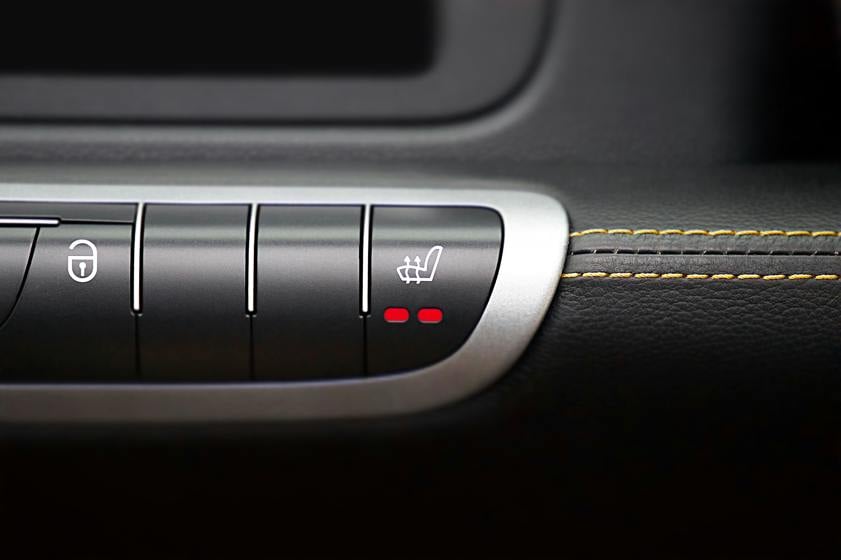
Features like heated seats, rear window heaters, dash cams, and always-on USB chargers quietly increase fuel consumption by adding load to the vehicle’s electrical system, especially on short journeys.
Only using these features when needed and switching them off once the cabin is warm or the screen is clear can reduce unnecessary fuel use. This small habit can reduce unnecessary fuel use, save around £10–£30 in fuel, particularly for drivers making frequent short trips.
The heavier and less aerodynamic a vehicle is, the more fuel it uses, particularly at higher speeds. Removing roof boxes, bike racks, and unused roof bars when they’re not needed can significantly reduce aerodynamic drag, while clearing excess boot clutter helps keep weight down.
Carrying around 50kg of unnecessary weight can increase fuel consumption by around 1%, meaning drivers could waste £10–£25 a year on fuel without realising.
All fuel sold in the UK must meet the same legal standards, meaning supermarket fuel is just as safe to use as branded alternatives, despite using different additive blends.
Fuel prices can vary widely between forecourts, and drivers often pay more by filling up at convenience locations or during peak demand periods.
With price gaps of around 10–14p per litre common, choosing lower-priced supermarkets consistently could save around £80 a year, depending on mileage.
Monthly and six monthly Vehicle Excise Duty payments include a DVLA surcharge.
Many drivers don’t realise that paying Vehicle Excise Duty monthly or six-monthly includes an additional DVLA surcharge, meaning instalments cost more overall.
Paying for the full year upfront is the lowest-cost option. Depending on the tax band, drivers can typically save £5–£20 a year by avoiding monthly or six-monthly payments.
“Many drivers assume cutting costs means driving less or changing their car. That often is not practical. Money slips away through habits people barely notice. Reviewing subscriptions, switching off unused features, and choosing where to refuel can quietly save hundreds of pounds over a year.”

Rising motoring costs feel unavoidable but simple habits like checking where you refuel, what you pay for, and what your car carries can make a measurable difference over a year. These changes take minutes to review, and the savings can run into hundreds of pounds.
For more practical driving advice, visit our Motoring Guides section.
Originally posted: 30th January 2026