


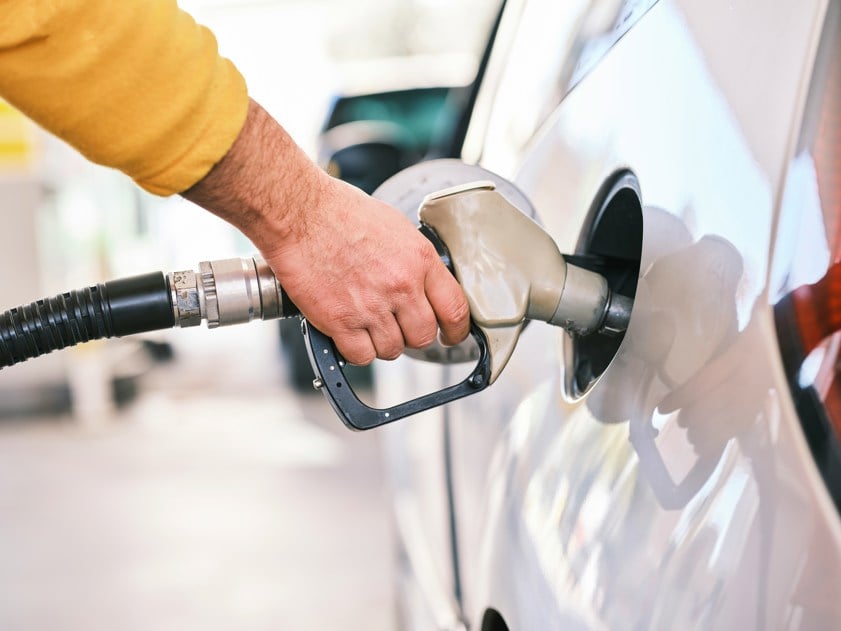
With drivers across the UK feeling the pressure of rising pump prices and renewed concerns around fuel availability, many motorists are looking for practical ways to cut costs at the pump.
Small changes in how you drive and maintain your car can reduce fuel use, as well as lower wear on your vehicle.
To help drivers stay on the road for less, Nationwide Vehicle Contracts shares six simple ways drivers can improve fuel efficiency and make every litre go further.
Rapid acceleration and heavy braking burn through fuel far quicker than most drivers realise. Your engine works harder when you speed up quickly and hard braking wastes the energy you used to gain speed. You use more fuel the faster you go, and abrupt braking only wastes energy you’ve already put your foot down for.
Aim for smooth, steady driving by accelerating gradually and maintaining a consistent speed. Try to anticipate traffic so you slow down naturally instead of stopping sharply.
Gradual acceleration and smooth braking help reduce fuel consumption. Research from the Energy Saving Trust shows efficient driving can reduce fuel consumption by up to 15%.
Setting off earlier can make a significant difference to your fuel consumption, especially on longer journeys. Congestion increases fuel use as heavy traffic means more stopping, starting, and idling, all of which burn more fuel than steady, uninterrupted driving.
If possible, travel outside peak times. Journeys made before 11am or after 7pm typically avoid the heaviest weekend congestion. Better route planning also helps you avoid delays and reduce unnecessary fuel use.
Electric vehicle drivers should also factor in charging stops to plan their route and timings more efficiently.
While it may seem more fuel efficient to open your windows instead of using air conditioning, once you reach higher speeds the opposite is true. Open windows increase aerodynamic drag, forcing the engine to work harder and use more fuel.
For motorway or dual carriageway driving, keeping your windows closed is the more efficient option and it keeps the cabin quieter and more comfortable too.
Air conditioning uses fuel too, but the impact is often lower than the drag created by open windows when driving at higher speeds.
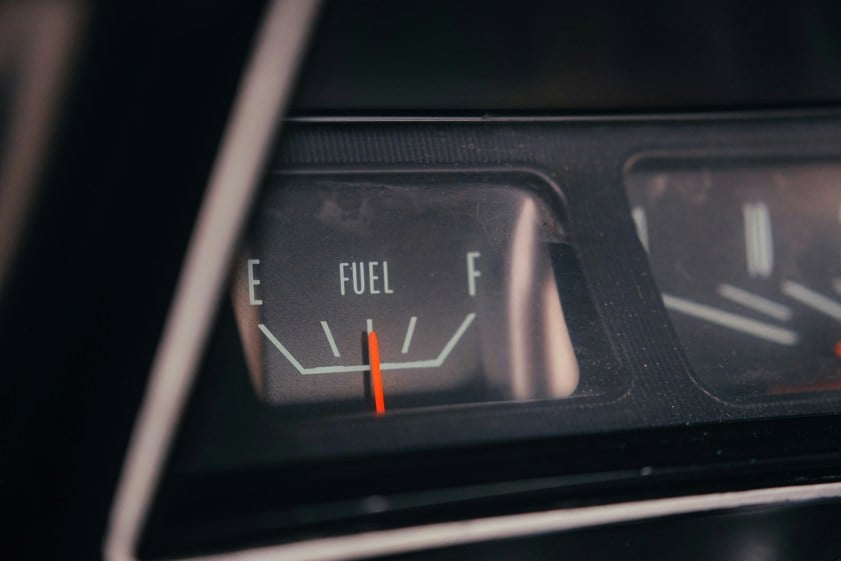
Underinflated tyres create additional rolling resistance, which means your engine must work harder and burn more fuel. Even a minor drop below the recommended PSI can have a noticeable impact.
According to the RAC, underinflated tyres can increase fuel consumption by up to 3 percent. Check your tyre pressure at least once a month and inflate to the manufacturer’s recommended levels (usually found on the door frame or inside the vehicle handbook).
A lighter car is a more fuel efficient car. Clear out any items you don’t need, particularly heavy or bulky equipment that isn’t required for your journey. Excess weight increases the workload on your engine and reduces fuel economy.
Check items left in the boot that can add strain on the engine. Remove tools, sports equipment, or other heavy items that you do not need for your journey. Keeping your boot clutter free helps improve performance and saves money over time.
If your vehicle is equipped with start stop technology, allow it to function during periods of prolonged idling, such as waiting at traffic lights. These systems turn the engine off when the car is stationary. Idling unnecessarily burns fuel and increases emissions.
For vehicles without this feature, putting your car in neutral or turning off the engine when safe to do so can help reduce fuel waste.
“As pressure on UK fuel supplies grows and prices fluctuate, driving efficiently matters more than ever. Small changes to driving habits, vehicle maintenance, and journey planning can improve fuel economy and help drivers keep costs under control.”

Simple driving habits and basic vehicle checks can reduce fuel use and cut running costs. Drivers who plan journeys, maintain their vehicle, and drive smoothly will see the biggest improvements over time.
For more advice on reducing fuel costs and improving vehicle efficiency, visit our full fuel economy guide.
Originally posted: 9th March 2026