


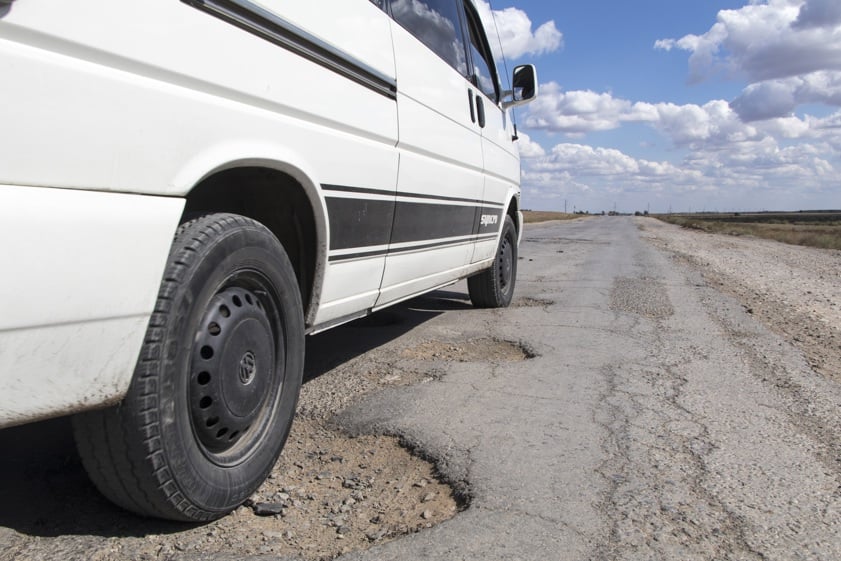
This year is shaping up to be one of the worse years for potholes, and it’s costing drivers thousands of pounds.
New data shows 1 in 3 UK drivers suffer pothole damage each year, with the average repair bill now reaching £2,895. With over one million potholes now reported across UK roads, the risk is growing fast.
The result is a sharp rise in breakdowns. Early 2026 has already seen a 3.5 times increase in pothole-related incidents.
Potholes form when water seeps into cracks in the road surface. When temperatures drop, that water freezes and expands. This forces the surface upward and weakens the structure.
Heavy rain then makes things worse. Standing water hides potholes, so drivers hit them without warning. Widespread standing water can conceal dangerous potholes, making drivers far more likely to unknowingly hit them and cause serious damage to their vehicle.
February 2026 was one of the wettest on record. That has left roads saturated and unstable. In some areas, drivers now face up to six potholes per mile. The damage often happens in seconds but the cost can last much longer.
Potholes do not just damage tyres. They affect multiple parts of your vehicle at once. The four parts of your car most likely to be damaged by potholes include:
- Tyres
Pothole impacts can cause sidewall bulges, which indicate internal structural damage. The typical repair/replacement cost is £120 per tyre, which is around £480 if all four tyres need replacing. - Wheels
Potholes can bend or crack alloy wheels, particularly if the impact is severe. The typical repair/replacement cost is up to £150 per wheel, which is around £600 if all four need replacing. - Suspension
The force of a pothole impact can damage shock absorbers and struts, which help stabilise the vehicle and absorb road impacts. The typical repair/replacement cost is around £1,700 for a full replacement of all shocks and struts. - Steering and alignment
Potholes can knock the vehicle’s wheel alignment out. This leads to uneven tyre wear and poor handling. The typical repair/replacement cost is around £115 for a full wheel alignment.
“Slowing down on damaged roads, avoiding deep puddles, and keeping a safe distance from other vehicles can all reduce the risk. Making sure your tyres are properly inflated also plays a key role.”

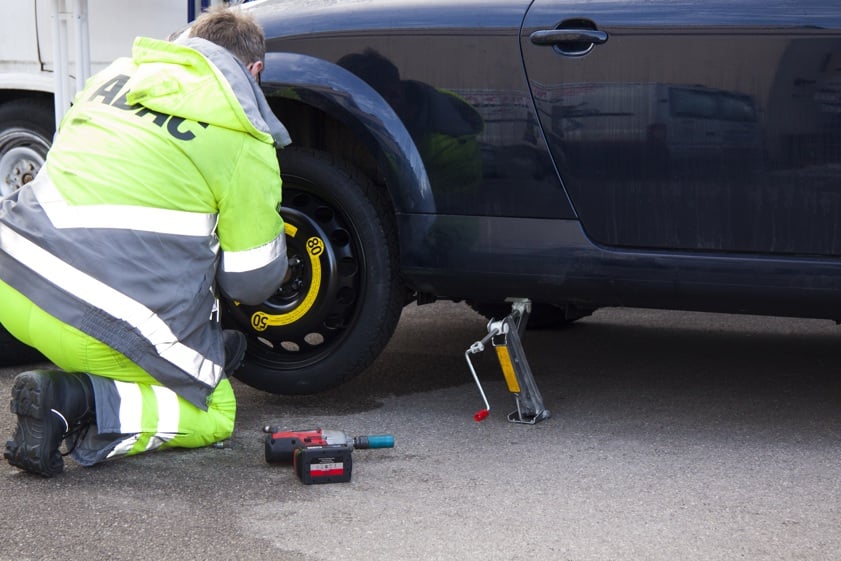
Carrying out a quick inspection after hitting a pothole can help drivers spot potential damage early.
Look for:
- Bulges or cuts in your tyres
- Cracks or bends in your wheel rims
- The car pulling to one side when driving
- Vibrations when driving
- New knocking or clunking noises
- Fluid leaks under the car
If you notice any of these signs, get your car checked straight away.
Repair costs can add up quickly. Some drivers may be covered through comprehensive insurance. This can include tyres, wheels, and suspension damage.
Always check:
- Your policy excess
- The impact on your no-claims discount
In some cases, paying for repairs yourself may be the better option.
“Comprehensive car insurance may cover damage caused by potholes, including tyres, wheels, and suspension, but it is important to weigh this against your excess and any impact on your no-claims discount.”
Staying on top of vehicle maintenance has never been more important, especially with UK roads continuing to deteriorate. From spotting early signs of damage to understanding your repair and insurance options, our motoring guides are packed with practical advice to help you stay safe and avoid unnecessary costs.
Explore our caring for your lease vehicle guide for expert tips, driving advice, and car maintenance insights.
Originally posted: 6th May 2026