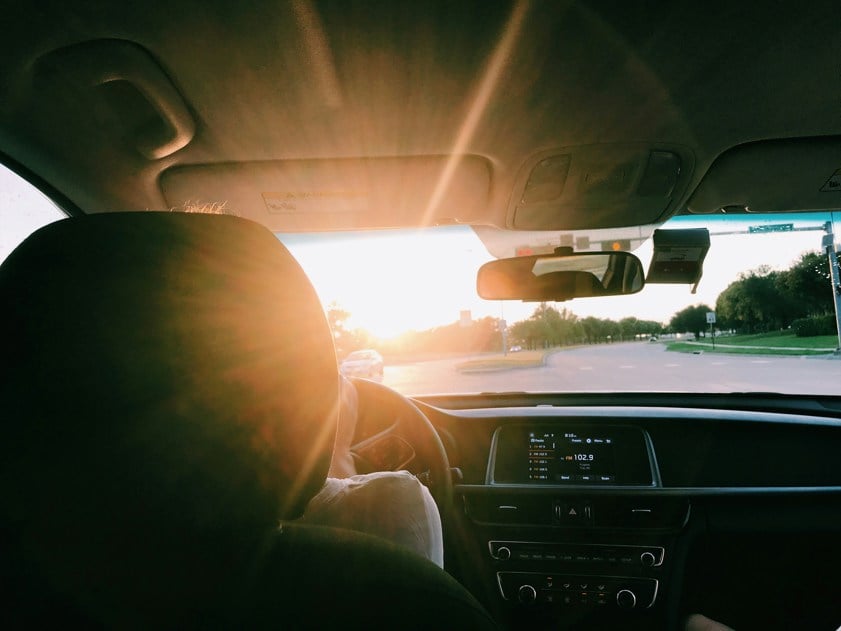
Sunny weather may make for pleasant driving conditions, but it can also create serious hazards on the road. Sun glare during sunrise and sunset can temporarily impair visibility, slow reaction times, and increase the risk of accidents.
As of late March 2026, the UK is experiencing around 12 to 12.5 hours of daylight per day, meaning more motorists are likely to encounter bright sunlight while driving.
To help motorists stay safe this Spring, Nationwide Vehicle Contracts highlights five lesser-known ways drivers could be breaking the Highway Code in sunny conditions - and the fines they could face as a result.
Sunglasses can help reduce glare while driving, but some lenses may actually affect visibility and distract drivers.
Certain tinted or polarised lenses can make LCD dashboard displays, sat navs, or digital speedometers appear dim or blacked out.
Rule 94 of the Highway Code advises drivers not to wear tinted glasses, lenses, or visors if they restrict vision, particularly at night or in poor visibility.
If visibility is affected and your driving is deemed careless, you could face a fine of up to £100.
Many drivers assume headlights are only needed in dark or poor weather conditions, but bright sunlight can also reduce visibility.
Strong glare can make it difficult for motorists to see oncoming vehicles clearly, particularly during low sun conditions in the early morning or evening.
Rule 226 of the Highway Code states drivers must use headlights whenever visibility is seriously reduced or impaired.
Failing to use lights appropriately could result in a fine of up to £1,000.

A dirty windscreen can significantly worsen sun glare, making it harder to see clearly while driving.
Dust, fingerprints, smears, and streaks can all intensify glare when sunlight hits the glass, especially during sunrise or sunset.
Before setting off, drivers should clean both the inside and outside of the windscreen thoroughly to improve visibility.
Regulation 30 states drivers must maintain a full view of the road and traffic ahead at all times.
Drivers caught with an obstructed view due to a dirty windscreen could face fines of up to £1,000.
Bright sunlight can reduce visibility and slow reaction times, making it important to increase the distance between your vehicle and the one ahead.
Reducing your speed gives you more time to react if sudden glare affects your vision.
Rule 227 of the Highway Code advises drivers to slow down and leave extra space in poor visibility or difficult driving conditions.
Failing to drive with proper care and attention could result in a fine of up to £100.
Small chips or cracks in a windscreen can become worse during warmer weather due to heat expansion and UV exposure.
Cracked glass can also reflect sunlight unevenly, creating intense glare and further reducing visibility.
Regulation 30 states that all vehicle glass must be maintained in a condition that does not obscure the driver’s vision while driving.
In serious cases, driving with a damaged windscreen could result in fines of up to £2,500.
“Sun glare is one of the most underestimated hazards on the road. Even experienced drivers can be caught out by sudden bursts of bright light, especially during sunrise and sunset.
Simple precautions like cleaning your windscreen, wearing suitable sunglasses, and increasing your following distance can make a big difference to safety.”

Before driving in bright sunshine, remember to:
- Keep your windscreen clean inside and out
- Carry suitable sunglasses for driving
- Use headlights if visibility is affected
- Leave extra distance between vehicles
- Check for chips or cracks in your windscreen
A few simple checks can help improve visibility, reduce risk, and keep you safer on the road during sunny conditions.
For more driving advice, visit the Nationwide Vehicle Contracts blog.
Originally posted: 7th May 2026