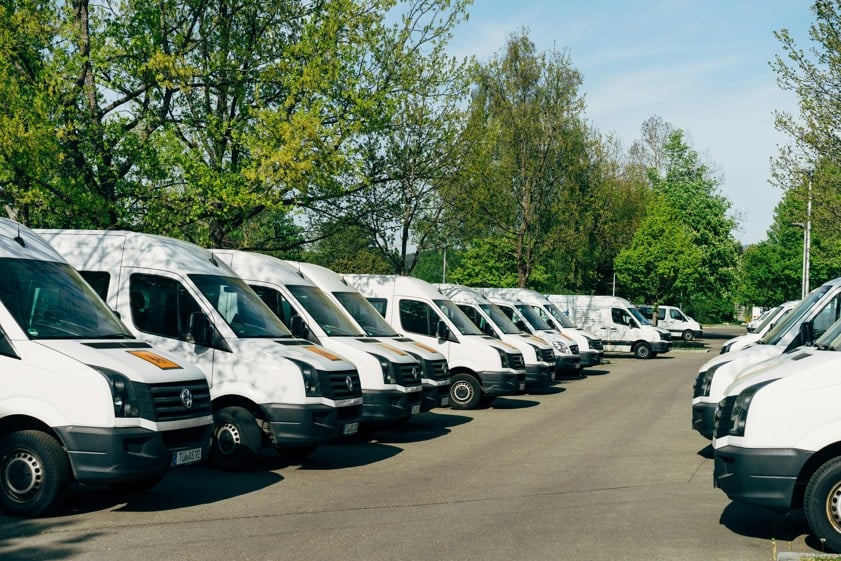
Whether you're a sole trader, small business owner or responsible for a larger fleet, deciding how to fund your vans is an important decision.
Buying gives your business full ownership of the vehicle, while leasing allows you to use a new van for an agreed period in return for fixed monthly payments.
There isn't one option that's right for every business. The best choice will depend on factors such as your budget, annual mileage, how long you plan to keep the vehicle and whether ownership is important to you.
Van leasing, typically through Business Contract Hire (BCH), allows a business to use a van for an agreed period without the cost or commitment of owning it outright.
You'll usually agree an initial rental, contract length and annual mileage before making fixed monthly payments for the duration of the agreement. At the end of the lease once the contract ends, the van is returned to the finance provider.
For many businesses, this can make budgeting easier while also providing access to newer vehicles and the latest technology without a large upfront investment.
Maintenance packages can often be added to the agreement too, helping make servicing and routine maintenance costs more predictable.
Buying a van means the vehicle belongs to your business, either from the outset if purchased outright or once any finance agreement has been completed.
Ownership gives you greater flexibility, with no contractual mileage limits and complete control over how long you keep the van. When it's time for a change, you can choose to sell or trade it in when you're ready to replace it.
However, buying also means your business is responsible for ongoing costs such as servicing and repairs, as well as depreciation and eventually selling or disposing of the vehicle.
Leasing a van | Buying a van | |
|---|---|---|
Do you own the van? | ||
Are monthly payments fixed? | Optional* | |
Is there an agreed mileage limit? | ||
Can maintenance be included? | ||
Do you need to worry about resale? | ||
Can you keep the van indefinitely? | ||
Do you take on the depreciation risk? | ||
Can you easily change to a newer van at the end? |
*Depends on purchase method
For businesses looking for predictable costs and access to newer vehicles, leasing can offer several advantages.
One of the biggest benefits of leasing is the ability to spread the cost of running a van over fixed monthly payments.
This can make cash flow easier to manage, particularly for small businesses that don't want to commit a large amount of money to purchasing a vehicle outright.
Leasing gives businesses the opportunity to change vehicles every few years, making it easier to benefit from improvements in safety, efficiency and technology.
This can be particularly useful as electric and low-emission vans become more widely available.
At the end of a standard lease agreement, the van is simply returned to the finance provider.
That means your business doesn't need to worry about selling the vehicle or how much it may be worth after several years of use.
Some leasing agreements allow maintenance packages to be added for an additional monthly cost.
This can include servicing, tyres and routine maintenance, helping businesses budget more accurately and reduce the risk of unexpected repair bills.
What Should You Consider Before Leasing?
- Leasing won't suit every business, so it's important to understand the terms before signing an agreement.
- Most lease agreements come with a set annual mileage allowance, and exceeding this could result in additional charges. Vehicles must also be returned in a condition that meets fair wear and tear standards.
- Ending a lease early can also be costly, so businesses should consider how long they expect to need the vehicle before committing.
- And because you don't own the van at the end of the contract, businesses that prefer long-term ownership may find buying more suitable.
Buying can be a good option for businesses that value full ownership and intend to keep their van for the long term.
Once the van has been purchased, it's yours to keep for as long as you need it.
This gives businesses more flexibility over how the vehicle is used and, where appropriate, modified for specific requirements.
If your business covers unpredictable or particularly high mileage, buying removes the need to worry about agreed mileage limits or excess mileage charges.
Businesses that keep vehicles for many years may find ownership more cost-effective in the long term.
Once any finance has been paid off, the vehicle can continue to be used without monthly leasing payments.
What Should You Consider Before Buying?
- Buying a van usually requires a larger upfront investment, especially if your business chooses to purchase the vehicle outright.
- The business also takes on the risk of depreciation, meaning the vehicle may be worth significantly less when it's eventually sold.
- As the van gets older, maintenance and repair costs may also rise.
- When it's time for an upgrade, your business will also be responsible for selling, trading in or disposing of the vehicle.
Tax and VAT are also important considerations when deciding whether to lease or buy a van for your business.
Depending on your business and how the vehicle is used, you may be able to reclaim VAT or claim certain expenses against taxable profits. However, the rules can vary depending on whether the vehicle is leased, financed or purchased outright.
Because tax rules can change and individual circumstances vary, it's always worth seeking independent financial or tax advice before making a decision.
The right option depends on how your business operates.
If your business... | You may prefer leasing | You may prefer buying |
|---|---|---|
Wants predictable monthly costs | ||
Likes changing into newer vans regularly | ||
Doesn't want to manage resale | ||
Wants eventual ownership | ||
Covers unpredictable or very high mileage | ||
Keeps vans for many years | ||
Wants maintenance bundled into one payment |
These are only general considerations, but they can help narrow down which option is likely to suit your business best.
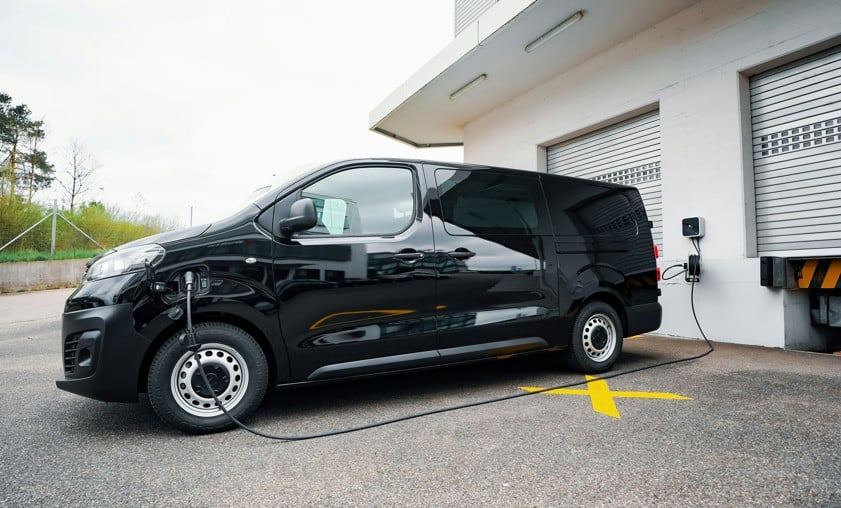
If you're replacing your commercial vehicles, it may also be worth considering whether an electric van could suit your business.
Electric vans produce zero exhaust emissions while driving and can offer lower running costs, particularly for businesses with predictable daily routes and convenient access to charging.
Leasing can make the switch to electric more flexible, giving businesses access to the latest electric van technology without the long-term commitment of ownership. This can be particularly useful for those looking to experience electric vehicles before deciding if they're right for their operations.
Ultimately, choosing between leasing and buying a van comes down to your business priorities.
Leasing may suit businesses looking for predictable monthly costs, newer vehicles and less responsibility at the end of the agreement. Buying, on the other hand, can offer more freedom, fewer restrictions and long-term ownership.
Before deciding, consider your budget, expected mileage, how frequently you replace your vehicles and whether you want to own the van outright.
If leasing sounds like the right option for your business, browse Nationwide Vehicle Contracts' latest van lease deals to find a vehicle that suits your needs.
Originally posted: 13th August 2026