


The 2026 Spring Statement set out several changes that will affect the cost of driving in the UK. Chancellor Rachel Reeves gave updates to fuel duty, road tax, electric vehicle charges, and new measures aimed at improving fuel price transparency.
Some changes provide short term relief for drivers, while others will increase running costs over time. Nationwide Vehicle Contracts break down what the key updates mean for UK drivers.
The Government has extended the current 5p per litre fuel duty cut until 31 August 2026, providing short-term relief for motorists amid ongoing cost of living pressures. This measure was first introduced in 2022 to help drivers manage rising living costs.
However, the cut will be phased out from autumn, with duty gradually returning to pre 2022 levels through staged increases:
- 1p per litre increase in September 2026
- 2p per litre increase in December 2026
- 2p per litre increase in March 2027
Drivers will still benefit from the reduced rate through the summer, but this gradual return to pre-2022 levels means fuel costs will likely rise over the next 12 months.
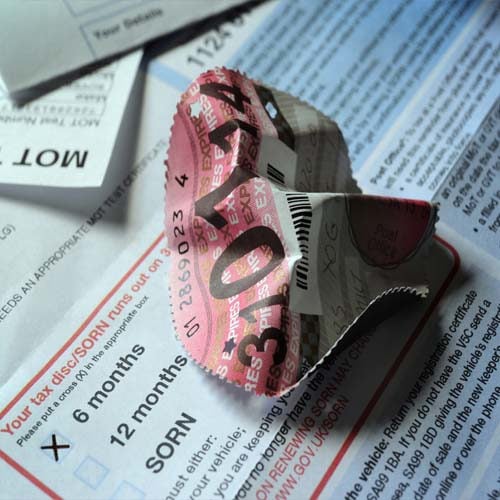
From 1 April 2026, Vehicle Excise Duty will rise in line with inflation.
For drivers of cars registered after April 2017, the standard annual rate will increase from £195 to £200. While a £5 rise may appear modest, household budgets remain under pressure, so motorists are encouraged to factor these incremental increases into their running costs. Many households still need to account for these changes alongside other motoring costs such as insurance, servicing, and fuel.
The Spring Statement brought mixed news for electric vehicle owners and prospective buyers, with several tax changes set to take effect from 2026.
Electric vehicles will fully move into the standard Vehicle Excise Duty system, meaning EV drivers will pay the standard annual rate of £200 for vehicles registered from 2017 onwards, rising in line with inflation from April 2026. This marks a shift in policy as electric vehicles become more common on UK roads.
More positively, the threshold for the Expensive Car Supplement, an additional charge applied to higher-priced vehicles, will increase from £40,000 to £50,000. This means a wider range of mid-priced electric models will avoid the £425 annual supplement, reducing ownership costs for many drivers.
For company car drivers, Benefit-in-Kind (BiK) tax rates for electric vehicles will rise from 3% to 4% from April 2026. While this represents a small increase in monthly deductions for both company car users and those on salary-sacrifice schemes, the rate remains significantly lower than petrol or diesel equivalents.
Alongside duty changes, the Government has introduced the new Fuel Finder scheme.
Under the new scheme, petrol stations will need to report price changes within 30 minutes. This is designed to curb sudden price spikes, allowing drivers to see more accurate local prices.
The Government estimates drivers could save between 1p and 6p per litre by comparing prices more easily.
A wider public trial of digital driving licences via the GOV.UK One Login app begins this month, offering motorists a more convenient way to store and access licence details.
Drivers will be able to store and access licence details digitally on their phone. Physical licences will still remain valid.
“This year's Spring Statement delivers a mixture of short-term relief and long-term cost adjustments for motorists. While fuel duty remains frozen until August and more EVs escape the luxury supplement, rising VED and BiK rates mean drivers should plan ahead. Transparency improvements like the new Fuel Finder scheme will be a real positive for households trying to manage costs.”

Drivers who understand these changes early will be better placed to manage the cost of running a vehicle over the coming years.
For more driving advice, visit our Motoring Guides hub.
Originally posted: 3rd March 2026