
Car Body Types Explained: Hatchbacks, SUVs & More
 By Donna
Guide overview:
- A car body type is the shape and layout of a vehicle, based on its design and how the cabin and boot are arranged. It helps you estimate how big a car will be and what it's like to use.
- The two most common car body types in the UK are hatchbacks and SUVs, but other popular choices include estate cars, city cars, and saloon cars.
- The best body style is the one that fits your daily routine. Choose based on space, boot access, and running costs, then shortlist models within that body type to compare what suits your budget.
With hundreds of different models available in today's car market, there's more choice than ever when it comes to your next lease car.
One decision you'll have to make is what body type to choose. A car body type refers to the shape and structural design of a vehicle, and common types in the UK include hatchbacks and SUVs for everyday practicality, plus saloons and coupes if you prefer a more executive or sporty feel.
Body style affects passenger space, boot capacity, fuel efficiency, and insurance costs, therefore, making the right decision is paramount.
In this guide, we'll explain the most common types of cars on UK roads and help you decide which body style suits you best.
Already know what style you want? Head over to our lease deals and compare deals by body type.
A car body type is a categorisation of a vehicle based on its design, shape and space. Body types are usually established by a car's ‘body style’, which can vary from a tall and boxy SUV, a low and sleek coupe, or somewhere in between, like a hatchback.
The body type also determines how many doors the car has, how the boot opens, how the roofline is shaped, and how much interior space is available.
For example:
- A hatchback car has a rear door that lifts upward.
- A saloon has a separate enclosed boot.
- An SUV sits higher off the ground and typically offers more cabin space.
Understanding the car body style makes it easier to compare vehicles that may otherwise seem similar, and gives an idea of what to expect.
“A car body type is a categorisation of a vehicle based on its design, shape and style. In simple terms, it sets expectations for space, seating, and luggage room, so you can choose a body style that fits your lifestyle. ”

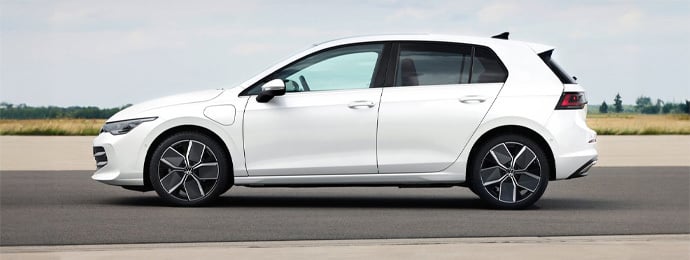
A hatchback car is a vehicle with a rear door that opens upwards to provide access to the boot and rear seats. Hatchbacks usually have three or five doors and a compact shape.
Examples include:
Hatchback cars are popular with young drivers, commuters, and small families because they're easy to park, economical to run, and cheaper to insure than larger cars.
If you mainly drive in towns or cities, but need respectable interior space, a hatchback is often the most practical and affordable option.
Fancy a hatchback? Explore our hatchback lease deals with straightforward pricing from an independent leasing broker.
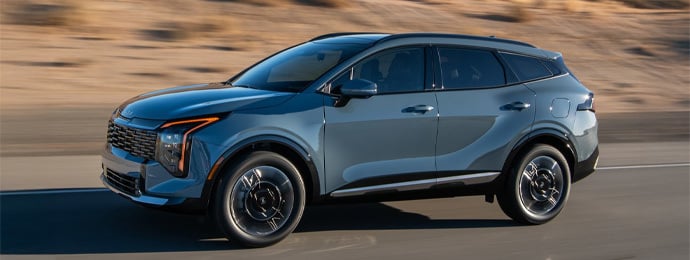
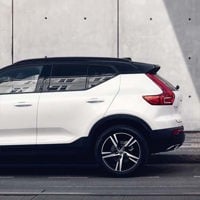
An SUV is a higher-riding vehicle with increased ground clearance and a larger cabin. Nowadays, SUVs have become the de facto family car, providing excellent visibility and more interior space than a hatchback.
Popular UK examples include:
They're particularly popular for family leasing because they offer generous boot space, higher seating positions and strong safety technology, but can cost more per month due to their size.
Compare our SUV lease deals and see which models fit your budget.
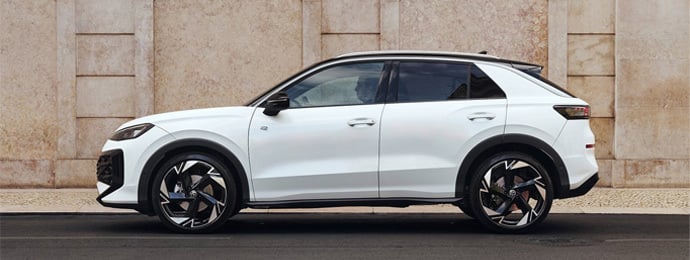
A crossover blends features of a hatchback or estate with the higher seating position and styling of an SUV. Many crossovers are front-wheel drive, with four-wheel drive available on some models and trims.
Examples include:
Crossovers are one of the most popular body types because they offer higher seating and easier access than a hatchback, good handling compared to larger SUVs, and a practical boot and family-friendly cabin.
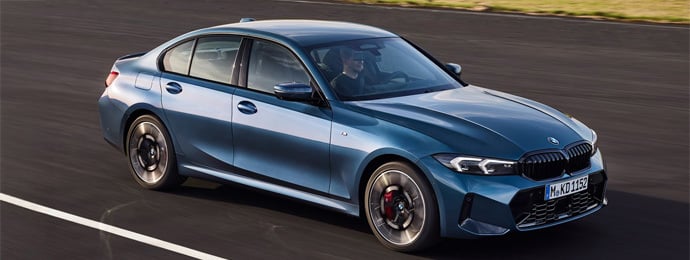
A saloon is a four-door vehicle with a separate enclosed boot that is not connected to the rear window. Saloons often feel more refined on longer journeys thanks to their longer wheelbases, more settled ride, and powerful engine options.
Examples include:
Saloons are great for drivers who prioritise motorway comfort, refinement, and a stylish image, which is why they're a popular choice for business leasing.
For a deeper breakdown on saloon cars, read our blog: What is a saloon car?
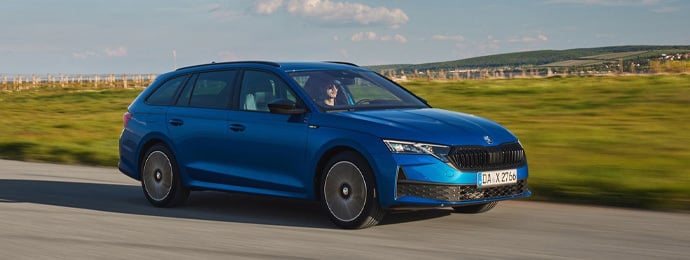
An estate car is similar to a saloon, but features an extended roofline and a large rear tailgate. Estate cars prioritise luggage space while maintaining an engaging drive, making them a great option for family drivers.
Examples include:
If you're after mammoth booth space without bulking up to a full-size SUV, an estate car is often the most practical solution. They're great for older families, dog owners, and drivers who carry sports equipment regularly.
Not sure which body style suits you? Speak to our team for expert UK support with a human touch and a clear recommendation based on your needs.
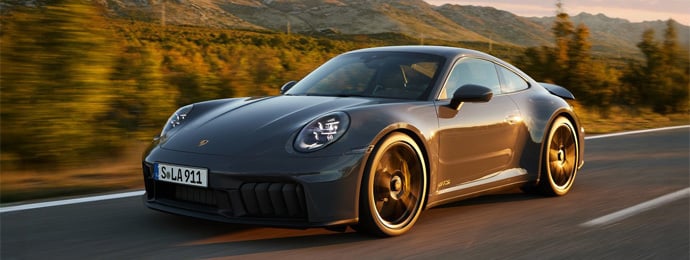
A coupe is usually a two-door car with a sloping roofline and sporty design. They focus on style and performance rather than practicality.
Examples include:
Coupes come with a driver-focused cabin and powerful engine options, but are limited in their rear seat and boot space. They're great for drivers who value design and driving feel over practicality.
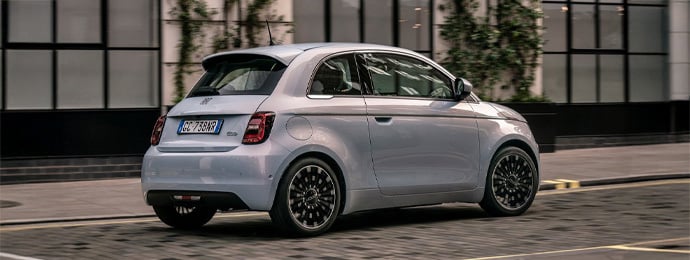
A city car is the smallest type of car on the market and is designed for short journeys, urban roads, and tight parking. City cars are usually three- or five-door and are ideal for commuters or new drivers.
Examples include:
Most city cars use smaller engines (often around 1.0-litre) which can help keep insurance and road tax lower, depending on the model and your personal details. You'll also get strong fuel efficiency, with most city cars using some form of hybrid technology to increase economy to over 50mpg.
Looking for a car with cheap running costs? Electric cars have some of the most affordable running costs on the market, with fuel costs and maintenance kept to a minimum.
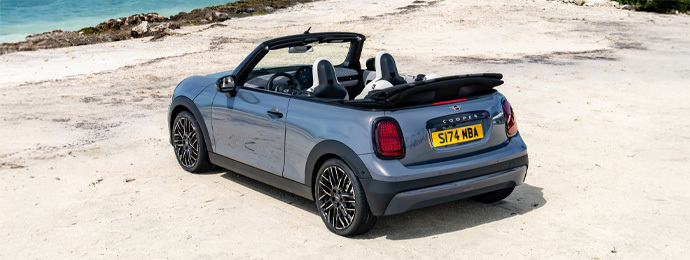
A convertible is a car with a foldable or retractable roof. Roof types include soft-top (fabric) and hard-top (metal or rigid panels). Convertibles are usually two-door and prioritise open-air driving over maximum practicality.
Examples include:
Convertibles often come with a driver-focused cabin, limited rear space, and reduced boot capacity when the roof is folded away.
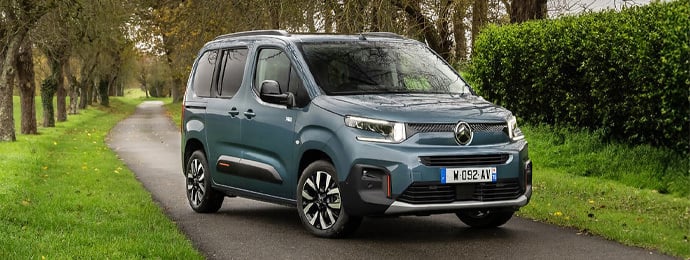
An MPV (Multi-Purpose Vehicle), also called a people carrier, is built around passenger space and flexible seating. MPVs usually carry five to seven people and often have seats that slide, fold, or can be removed, depending on the model.
Examples include:
MPVs are ideal if you regularly carry people and luggage, and many are popular with large families who need maximum practicality.
Not sure which body style fits your lifestyle? Our team can talk you through with expert UK support. Head over to our contact us page to speak to a leasing expert.
The right body style is the one that fits your daily routine — not just the one that looks best on your driveway.
Ask yourself:
- Is exterior style a top priority, or do you care more about practicality?
- How many passengers do you carry each week?
- Do you need easy access to the rear seats (kids, friends, colleagues)?
- How big does the boot need to be (pushchair, sports kit, luggage)?
- Are most of your journeys in towns and cities, or on motorways?
- Do you genuinely need off-road capability, or just higher seating?
Still not sure? Let us help you out:
- Families usually prioritise cabin space and boot space, so an SUV, estate, or MPV often make sense.
- Young drivers often want something compact and cheap to insure, like a city car or hatchback.
- Company car drivers may focus on comfort and Benefit-in-Kind tax, making a saloon or estate a strong option.
A body type is the easiest way to match a vehicle to your lifestyle. City cars suit urban driving and lower running costs, hatchbacks offer an all-round balance, estates and MPVs maximise space, and SUVs and crossovers give you family-friendly practicality.
If you've decided on your next car, use our search feature at the top of the page to explore our lease deals within the best body type that fits you best.
Nationwide Vehicle Contracts has been trusted since 2002, with 180,000+ leases arranged. Compare body types and find a deal that suits your budget with clear, fair pricing.
Guide Information
Originally published: 5th October 2020
Last updated: 18th February 2026
Due to be reviewed: 18th February 2027

You may also like...