How to Reduce Your Car Running Costs
 By Donna
Guide overview:
- Car running costs can quickly add up for new drivers, but choosing the right car and driving efficiently can significantly reduce what you spend.
- Insurance is often the biggest expense. Choosing a low insurance group car, adding a named driver, and considering a black-box policy can help lower premiums.
- Simple habits like smoother driving and keeping up with servicing can improve fuel economy and reduce maintenance costs.
- Electric cars may cost more upfront, but lower fuel and servicing costs can make them cheaper to run — especially if you can charge at home or work.
New car running costs always seem to be rising, and for most drivers, it's the part of motoring that's hardest to predict.
They're often higher than expected, and it's not just your monthly payment you need to plan for. Insurance, fuel or charging, road tax, and maintenance costs can quickly push your total cost of driving higher than expected.
If you’re a new or young driver, that can feel a bit overwhelming, especially if you're sticking to a budget.
In this guide, we'll break down where your money goes, and share practical, easy wins to help you reduce your car running costs without making driving a chore.
Looking for predictable monthly costs? As an independent leasing broker, we offer straightforward pricing with no hidden extras, just clear, transparent lease deals you can compare with confidence.
The biggest running cost decision happens before you even get behind the wheel. If you make a sensible decision when choosing your car, you can sleep peacefully knowing that every time you hit the road, you're driving one of the most frugal cars on the market.
Factors like engine size, insurance group, fuel type, and reliability all directly affect what you'll spend over your cars lifespan.
To reduce running costs immediately, choose:
- A small engine (1.0-1.2 litres)
- A car and model in a low insurance group
- Proven reliable brands
For example, a Hyundai i10 will cost significantly less to insure and fuel than a 2.0-litre sporty SUV.
Insurance is the largest running cost for most young drivers. The main way to reduce it, is to reduce your risk in the eyes of insurers.
How can you reduce insurance costs?
- Choose a car in a low insurance group
- Add a low-risk named driver
- Add a telematics or "black box" policy (if you're leasing, eligibility varies depending on the finance provider)
- Park off-road where possible
- Paying annually instead of monthly
Comparison sites like MoneySuperMarket and Compare the Market make it easier to run different quotes before committing.
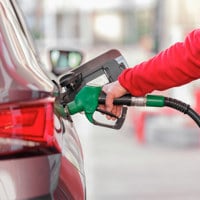
Fuel consumption is directly linked to driving behaviour. You can reduce fuel use immediately by:
1. Accelerate gradually
Accelerating gradually without over-revving as the harder you press, the more fuel you spend

2. Drive in a high gear
Driving in the highest gear possible without labouring the engine
3. Slow down naturally
Allowing yourself to slow naturally to use the stored energy most efficiently

4. Stop gradually
Rolling up gradually to a traffic light as it changes from red to green to prevent stopping
If you're leasing a car through Nationwide Vehicle Contracts, you must service the car in-line with the manufacturer guidelines.
However, for those who own (or plan on owning) a car, it's commonplace to skip servicing to save money. Yes, there's no denying servicing your car has become costly in recent years, but skipping a service is counterproductive and will lose you money in the long term.
A skipped service can also:
- Void warranty
- Reduce efficiency
- Lead to larger repair bills
City driving increases indirect costs.
If you drive in London or major cities, consider:
- Congestion Charge (Transport for London)
- ULEZ compliance
- Parking permits
- Toll roads like Dart Charge
Choosing a compliant, low-emission car reduces penalty charges and daily fees.
Sometimes the cheapest car to buy isn’t the cheapest car to use in your area.
Not sure which car will keep your running costs lowest? Our UK-based team is here to point you in the right direction. Get in touch and we'll be happy to help.
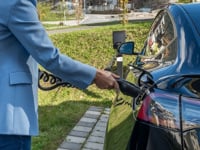
Electric vehicles reduce fuel costs per mile, especially if charged at home. Home charging on off-peak tariffs is significantly cheaper than petrol.
EVs also:
- Have fewer moving parts
- Require less servicing
- Avoid oil changes
However:
- Public rapid charging is expensive
- Insurance can be higher
- Upfront purchase prices are higher
If you can charge at home and mainly drive short distances, an EV is usually cheaper to run.
Reducing your running costs isn't like trying to break the enigma code. It's about choosing the right car, driving efficiently, maintaining it properly, and avoiding unnecessary fees.
Make smarter decisions before and after you get behind the wheel, and the savings follow.
Ready to find a cost-effective car you can rely on? We’ve arranged over 180,000 leases since 2002. Explore our latest lease deals today and choose with confidence.
Guide Information
Originally published: 21st March 2017
Last updated: 3rd March 2026
Due to be reviewed: 24th November 2026

You may also like...